OUR PROJECTS


St. John Primary School
We managed to build St. John Primary School with complete 10 spacious classrooms, 12 teachers’ houses, school desks and chairs, water and electricity. It has about 1,000 learners.
St. John Nursery School
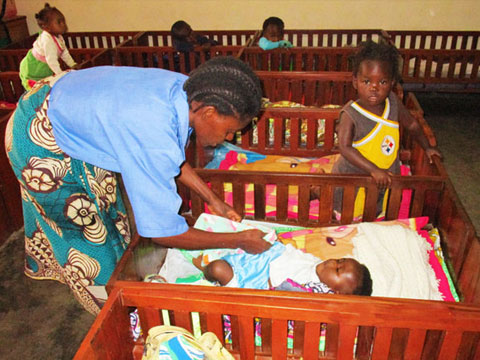
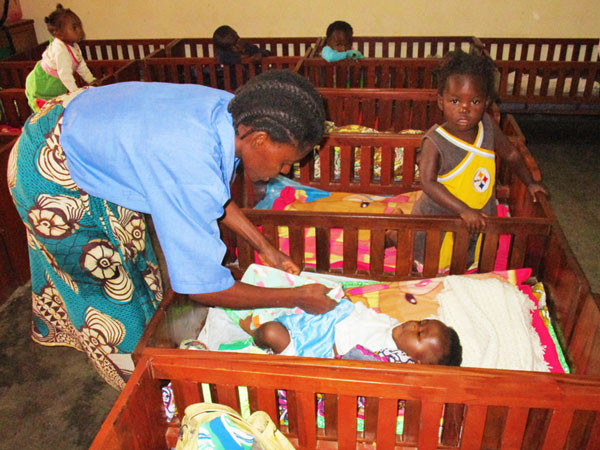
We thought of the importance and the need of having a nursery school or kindergarten and we built St. John Nursery School for children between 3 and 5 years old. In the past, the highest registration of our nursery school once reached 1,200 children.
Every day two minibuses start at an early hour to fetch the children from their villages. We have 6 classrooms and the children get the lessons according to their age. In order to serve the poor of the poorest, our nursery school is free of charge. However, we ask the parents to come to the nursery school to do various pieces of work as their minimal contribution to the education of their children.


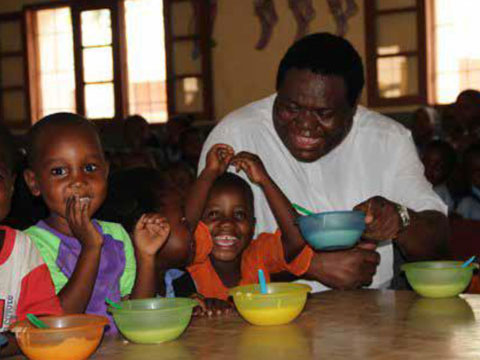
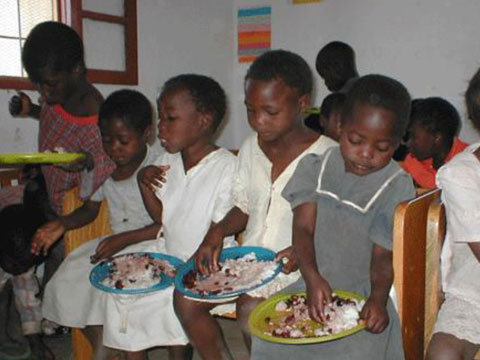
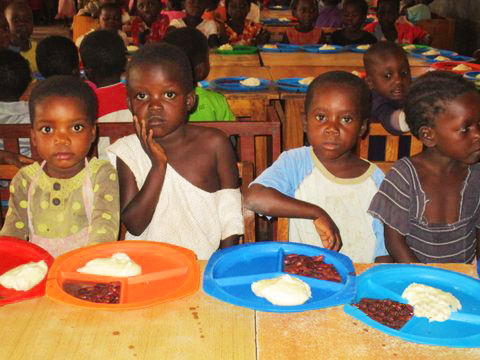
For those who live far from the nursery school and use one of our two minibuses, we ask the parents to pay 50 cents a month. We regard this as a symbolic gesture of their participation in the education of their children which is practically free. At St. John Nursery school we have about 700 children registered and are assured of two good meals a day and medical care.
This initiative of assuring the children at least two good meals a day and good health care has helped a lot in reducing child mortality in our area as compared to some years back when many children used to die due to inadequate nutrition and health care.
Running a nursery school with so many kids for free is a very big commitment that calls for a strong belief in the divine providence. Looking for funds for transport, food, electricity, water, medicines, salaries for the teachers and the other support staff members becomes our monthly preoccupation.
Bishop Assolari Nursery School
Bishop Assolari Nursery School was officially opened on June the 14th, 2007. It was built in Kausi Village, Traditional Authority Chimwala with the help of the staff of Banca Popolare di Bergamo in Italy and other friends in memory of Bishop Alessandro Assolari who was the first bishop of the diocese of Mangochi. He was bishop of Mangochi for about 35 years and during these years he worked so much in the establishment of many educational and health centres. We have about 400 children registered in three classrooms making an average of 140 kids per class.
The classrooms are not enough because of the numerous requests that arrive from the parents. In both nursery schools(St. John and Bishop Assolari), we have over 90% Muslim children. But we have always assured the parents that no child will be forced to convert to Catholicism because our aim is to help any child regardless of religion, tribe or ethnic background.
We need funds to build more classrooms, teachers’ houses and a bigger refectory. The children who have attended this nursery school and who now attend Kausi’s or other villages’ primary schools learn faster than their classmates who never attended nursery school but just went straight to primary school from the village. In this nursery school, we have some disabled children who need special care by specially qualified teachers. Unfortunately, we have no funds to hire such kind of teachers.
Women Promotion and Adult Literacy Centre
In the area where we minister 90% of the women are illiterate. In most cases women have 5 or 6 children to care for, and often have no husbands. Most of them are widows due to the death of their partner because of HIV/AIDS or having been deserted by the men that moved away to South Africa to find greener pastures.
Since most of the women are illiterate, it is almost impossible for them to become self-sufficient and independent from external help. This is why we decided to open the “St. John Women Promotion and Adult Literacy Centre”. We thought that it was not enough only to help the kids at our two nursery schools but also to help the families where they come from.
"Chimanga" Maize Project
This project humbly started in June 2005 with an initial help which we received through friends mainly from Paratico near Brescia in Italy. Its focus is on food security for our poor communities. It is a very important and necessary project because its goal is to empower families through lessons in agriculture in class but above all in the fields where they can learn new ways and systems of growing crops and cultivating the land so as to solve the problem of famine and hunger which often strikes this region’s population.


The cause of famine almost every year is either due to too much or too little rain. It is really humiliating to have always to depend on external help to survive. For this project, we had to employ staff trained in agriculture.
Malawi’s economy depends on agriculture. And the activities depend on the weather. In many instances, the rainy season is sporadic. In this case then, it would be marvellous to have an irrigation system, at least in our region which is situated near the lake. For this project we would need huge sums of money! I hope this dream of mine will come true in future.
Treadle Pump for the Irrigation Project


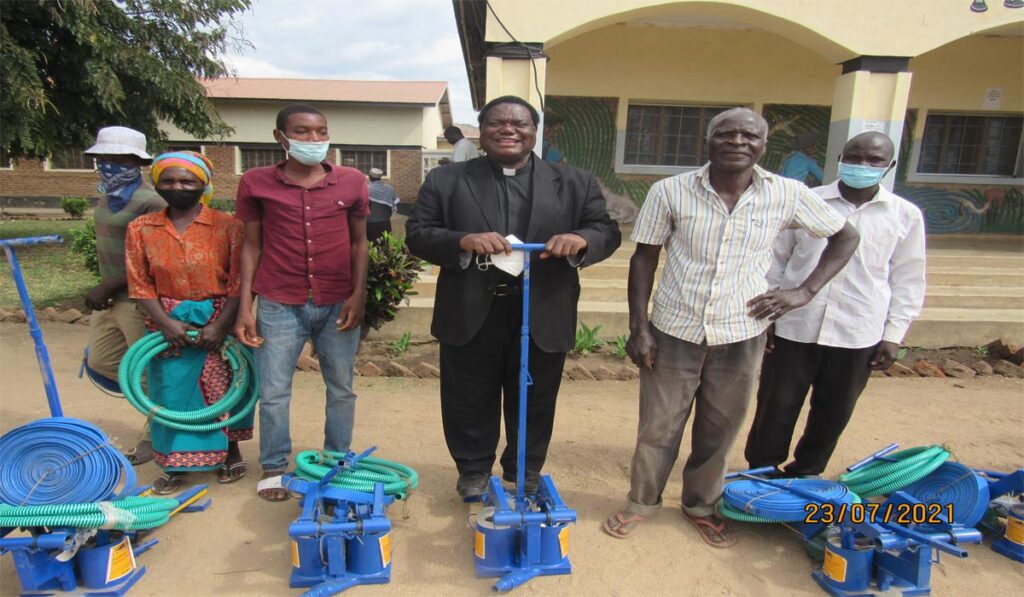
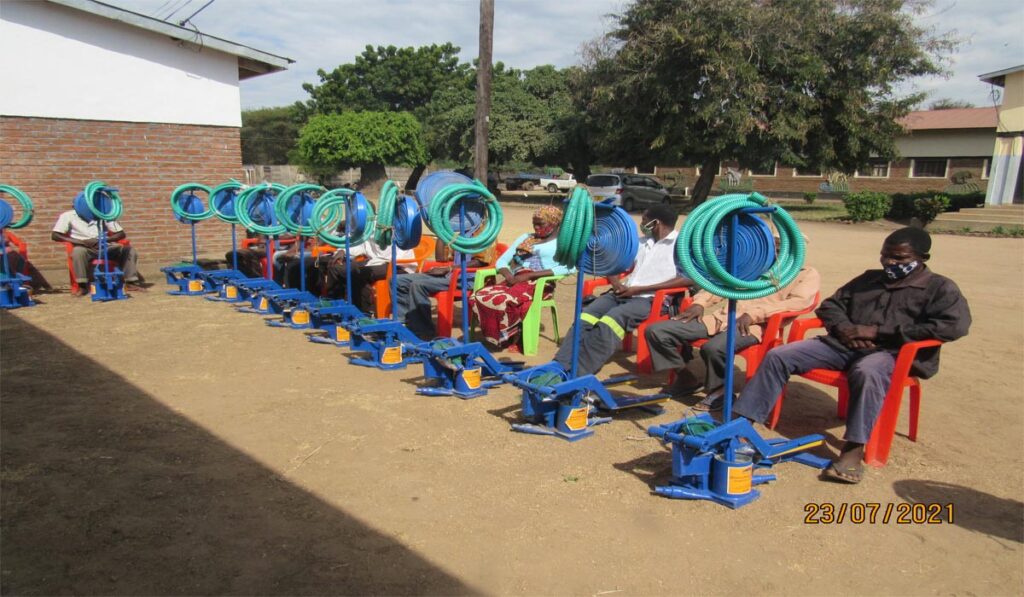
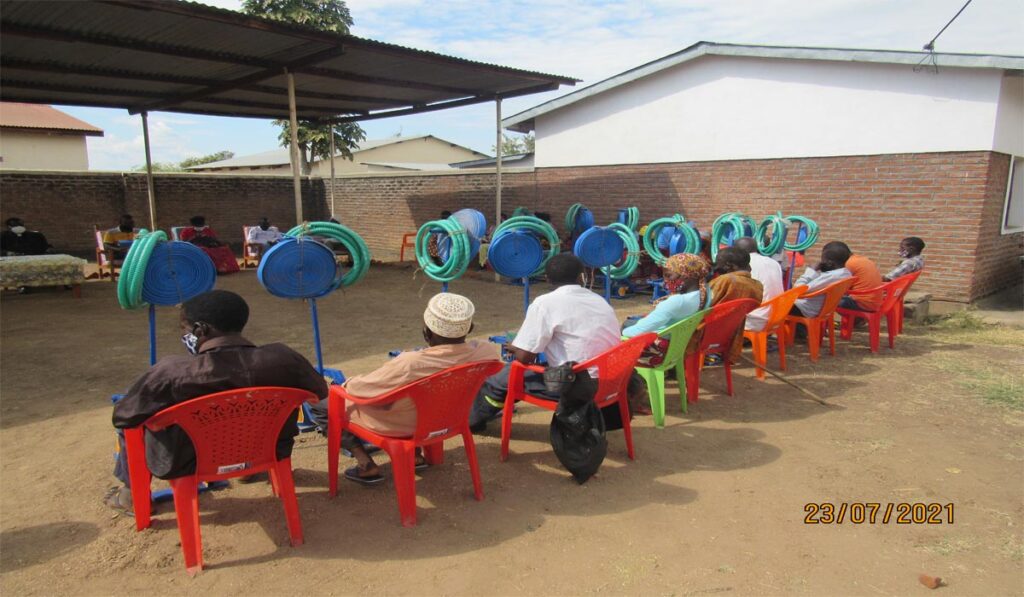
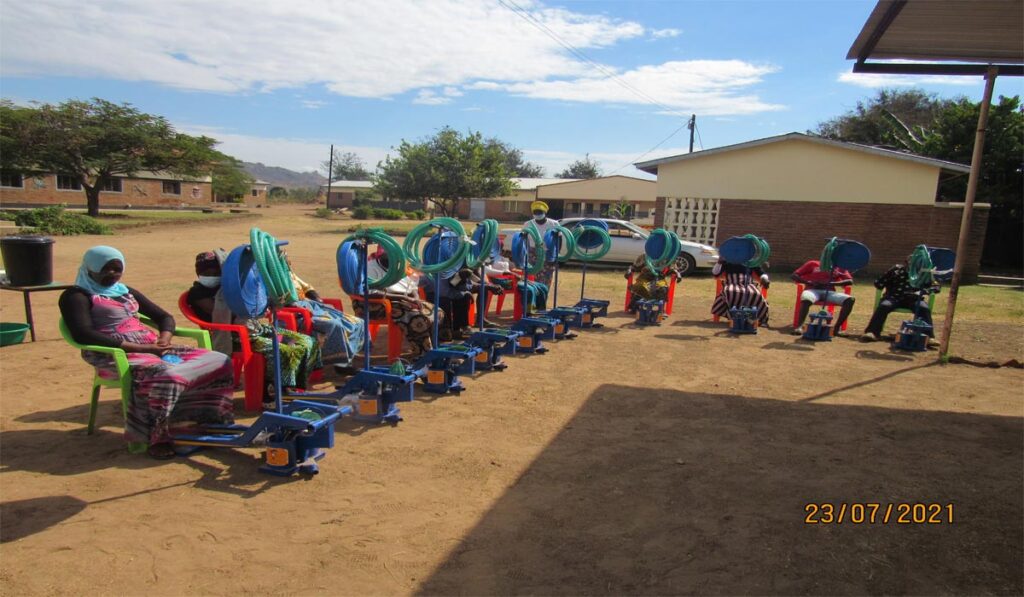
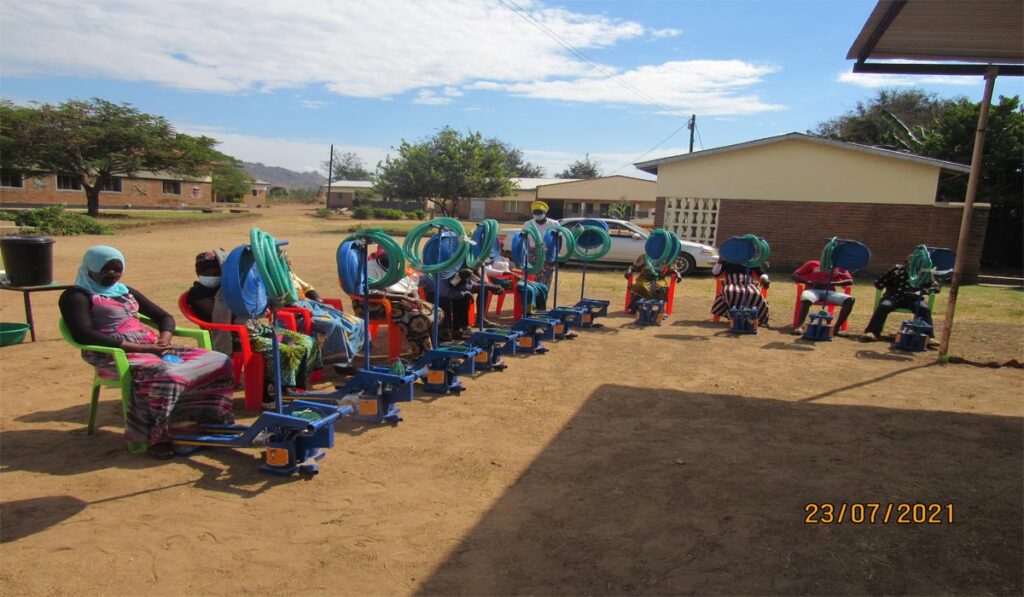
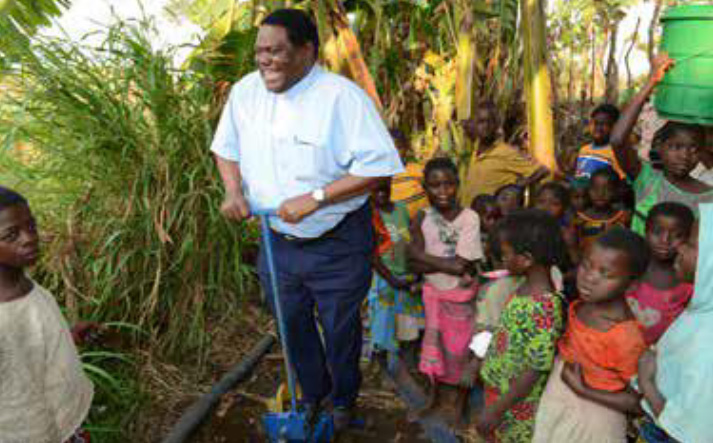
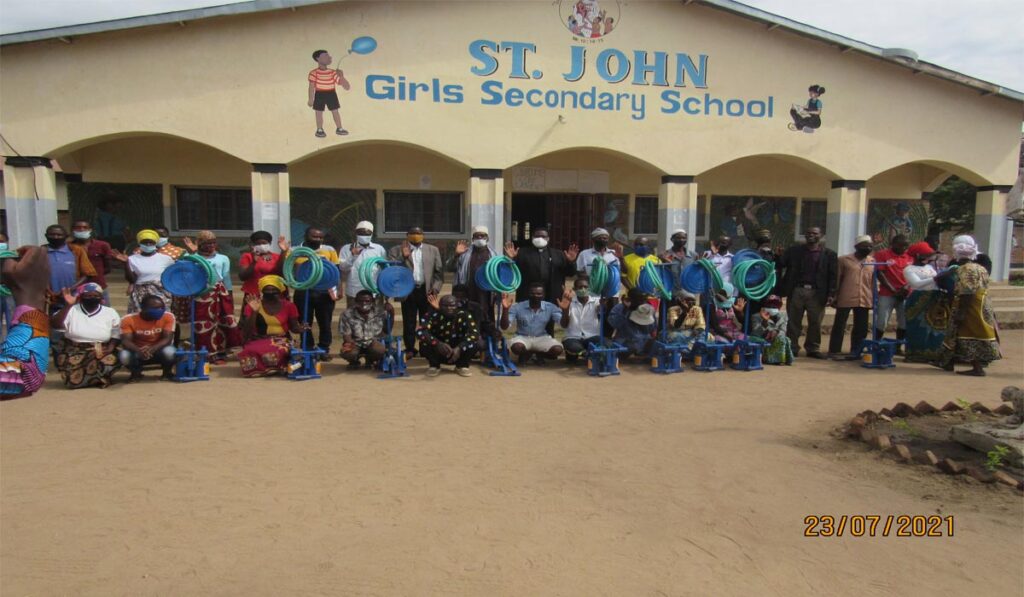
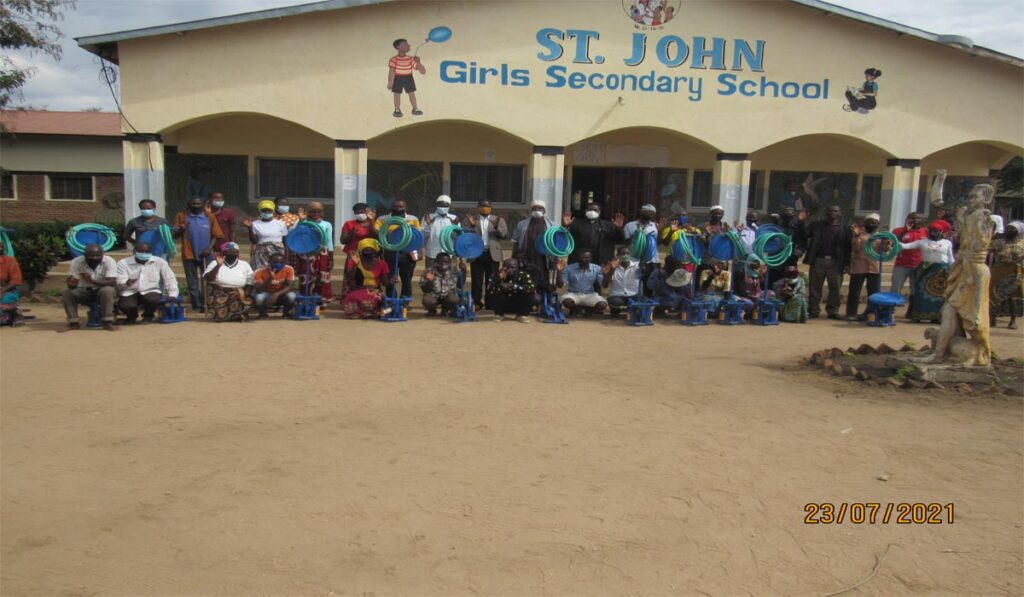
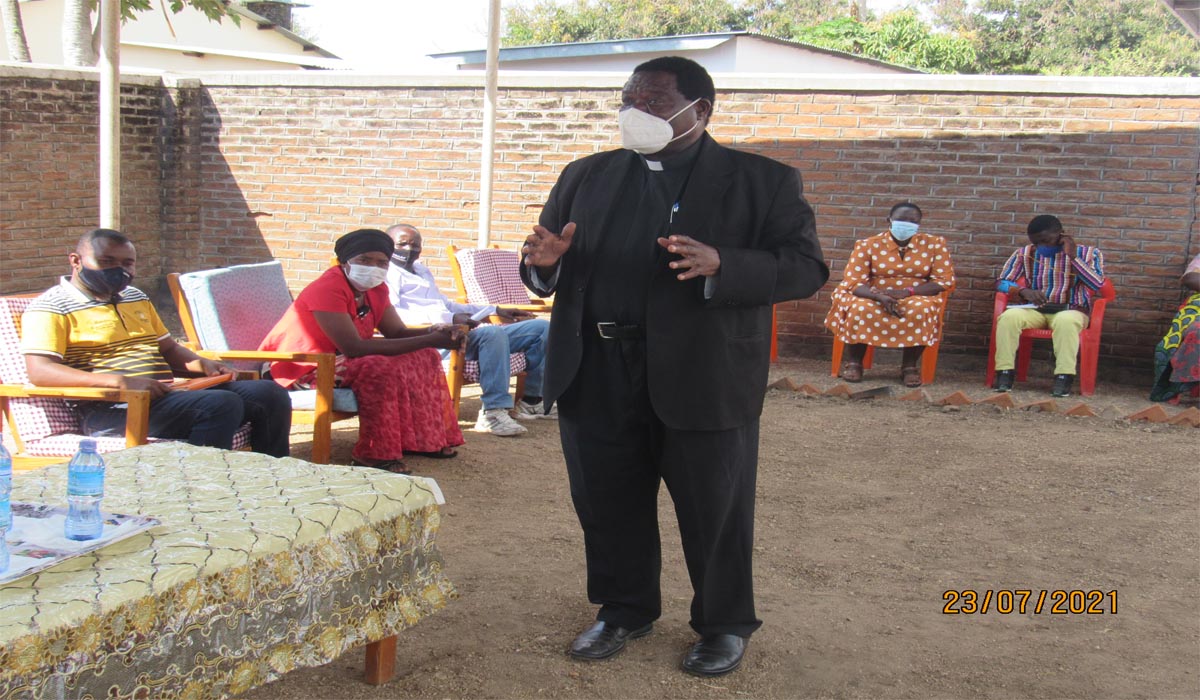
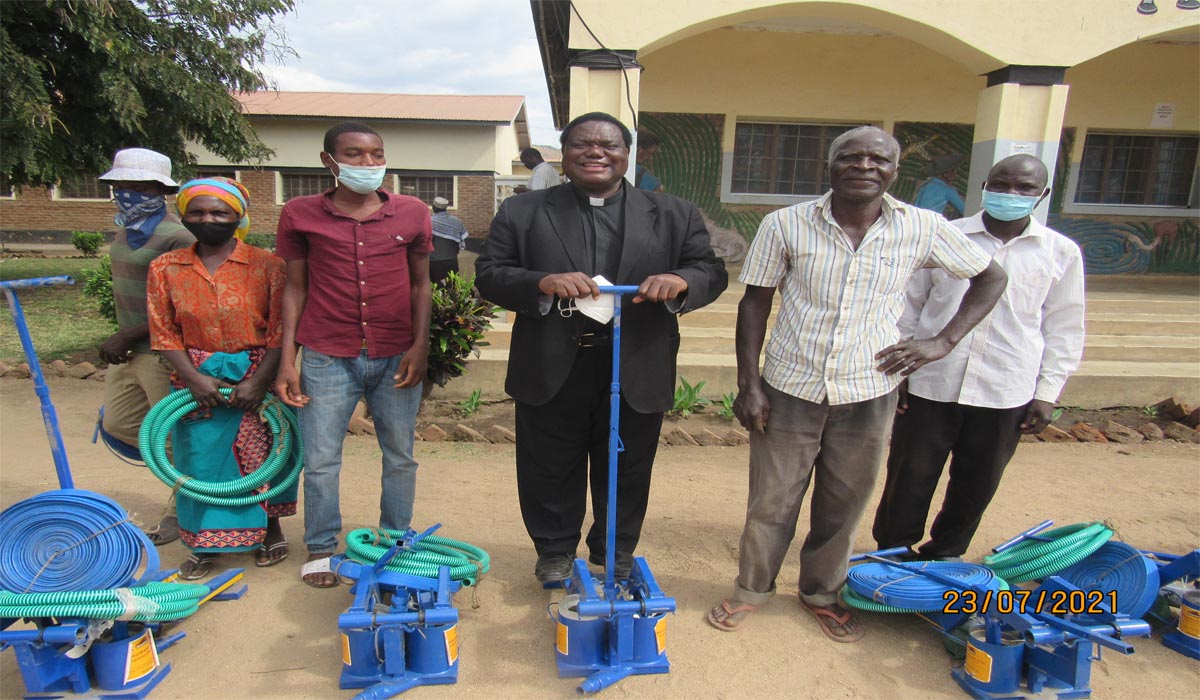
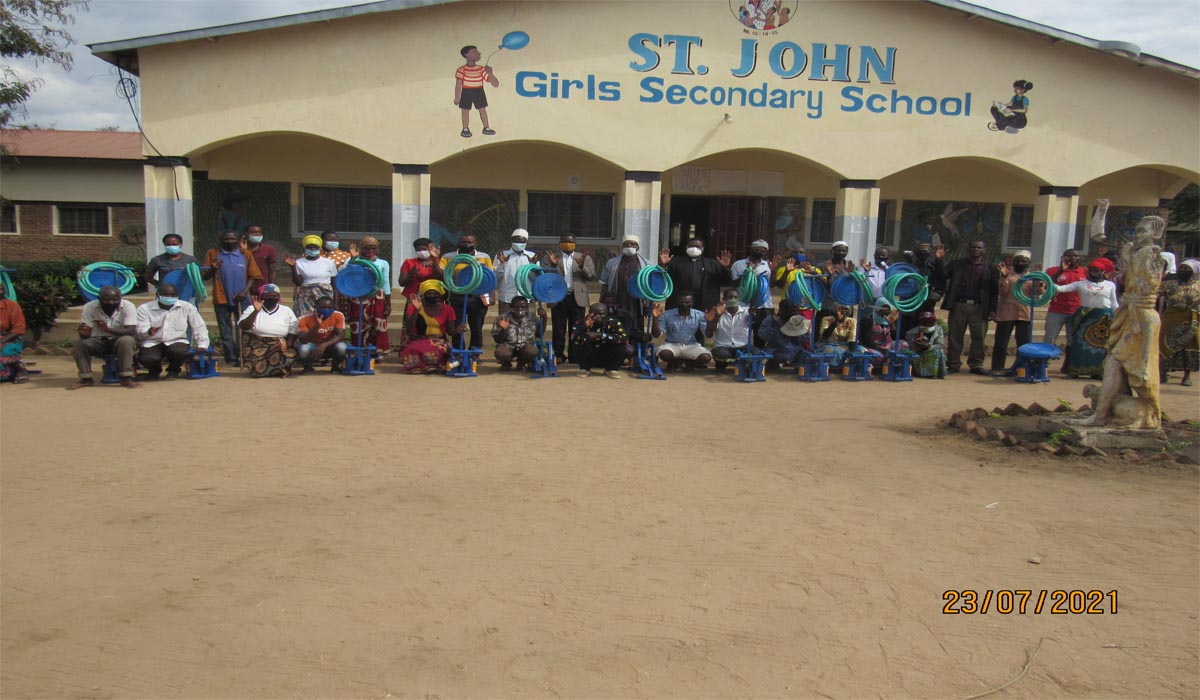
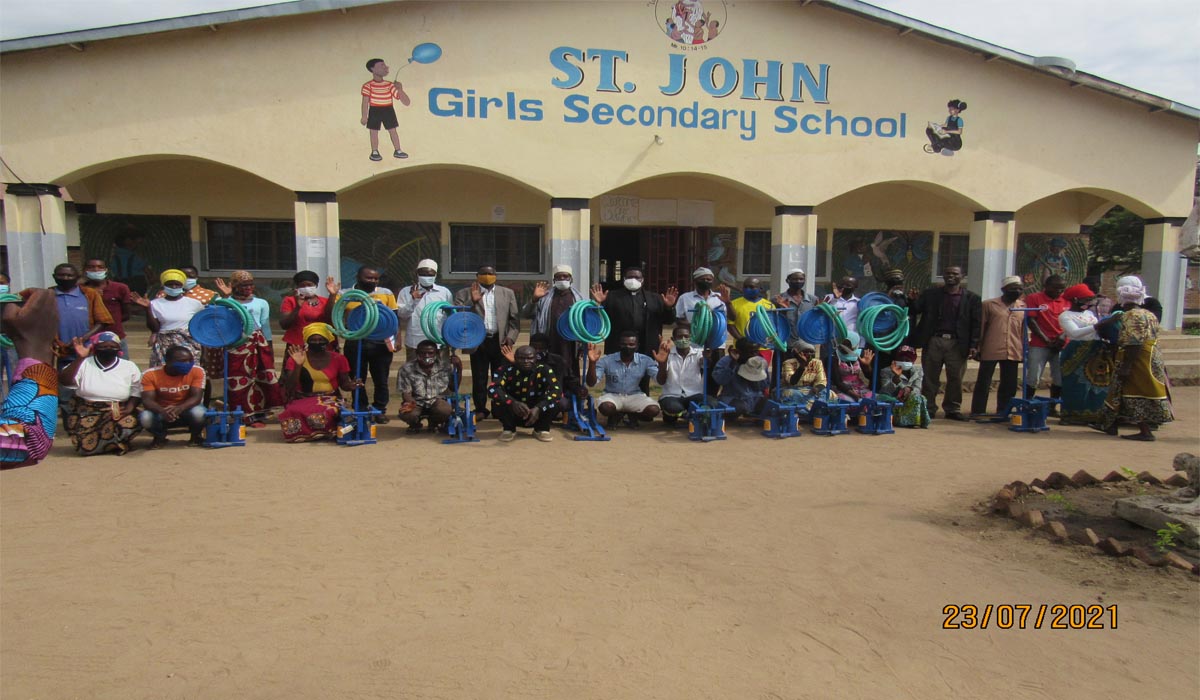
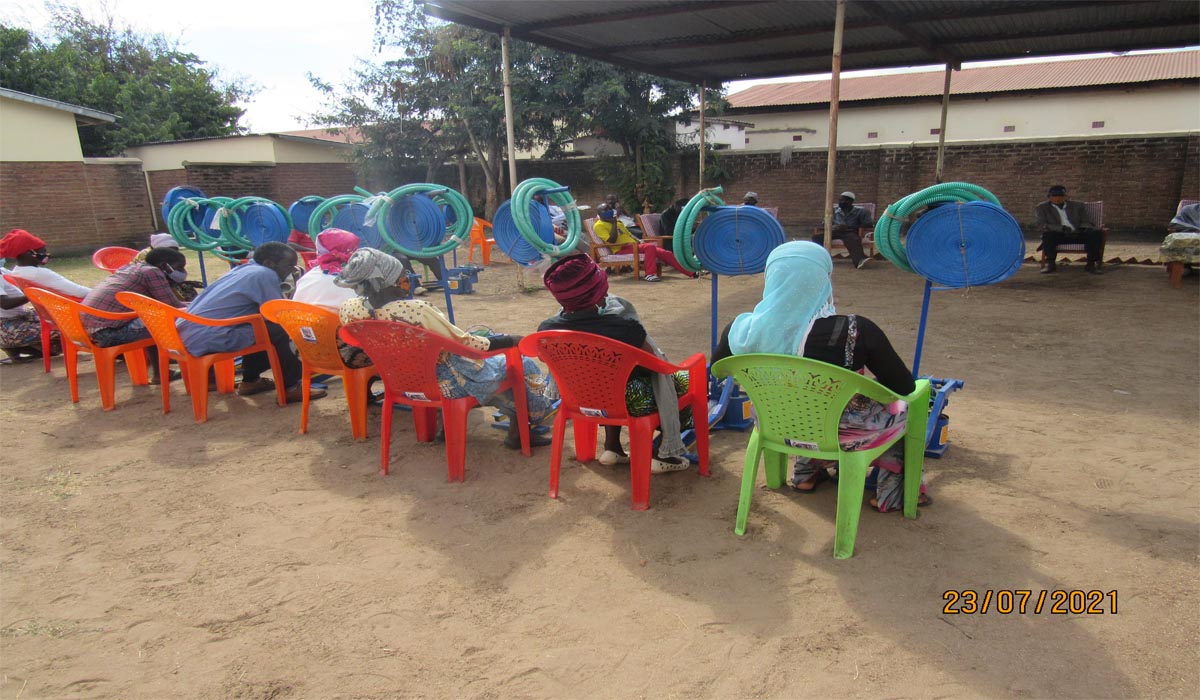
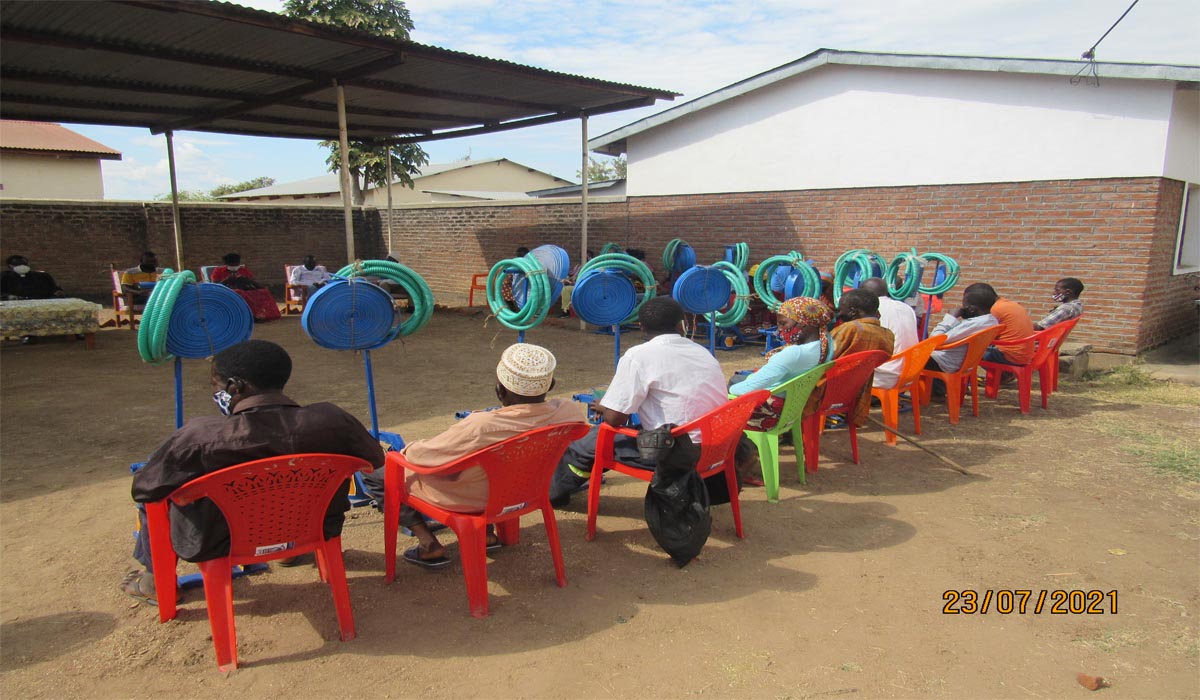
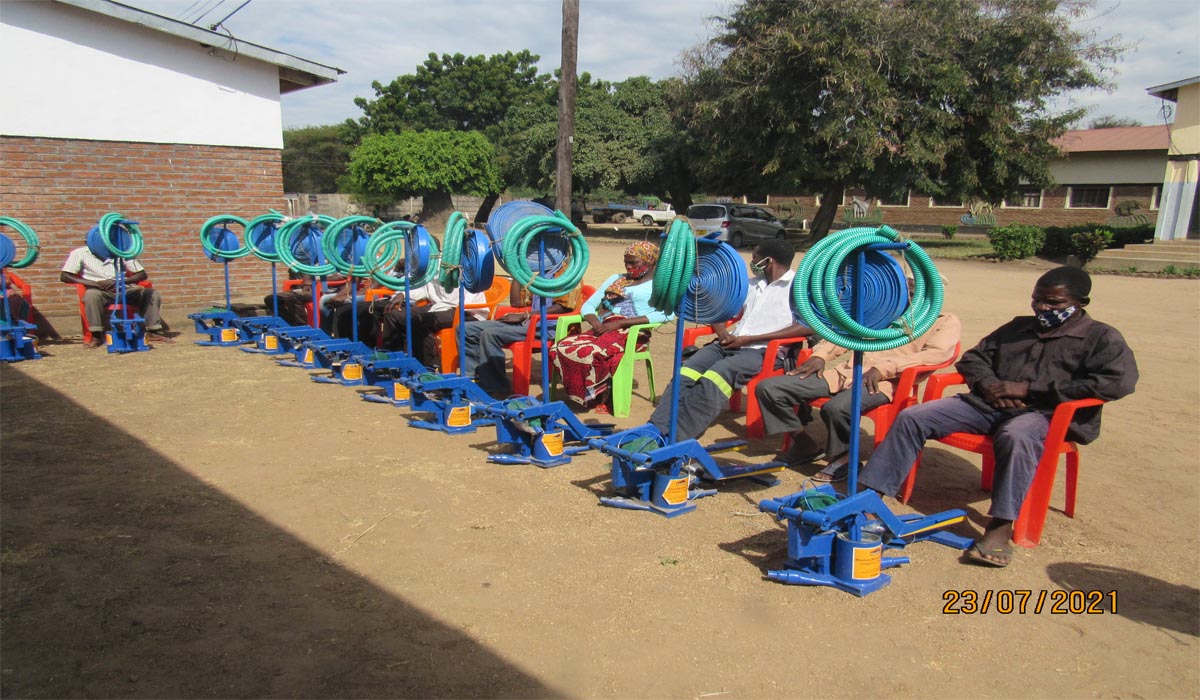
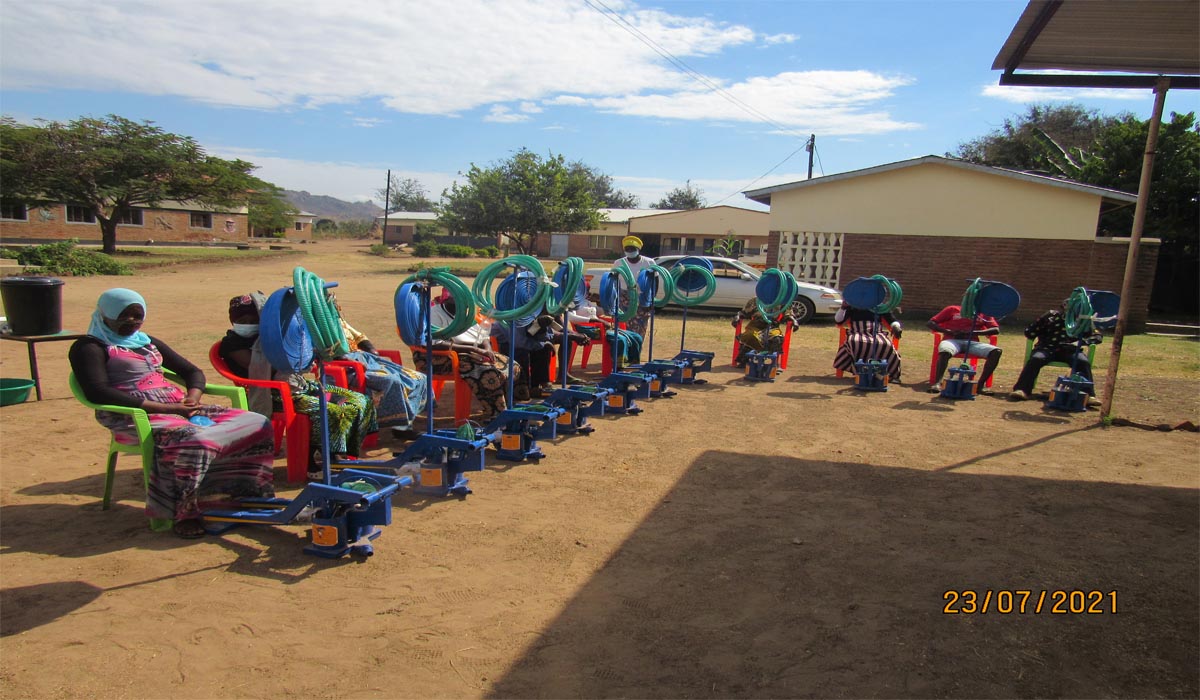
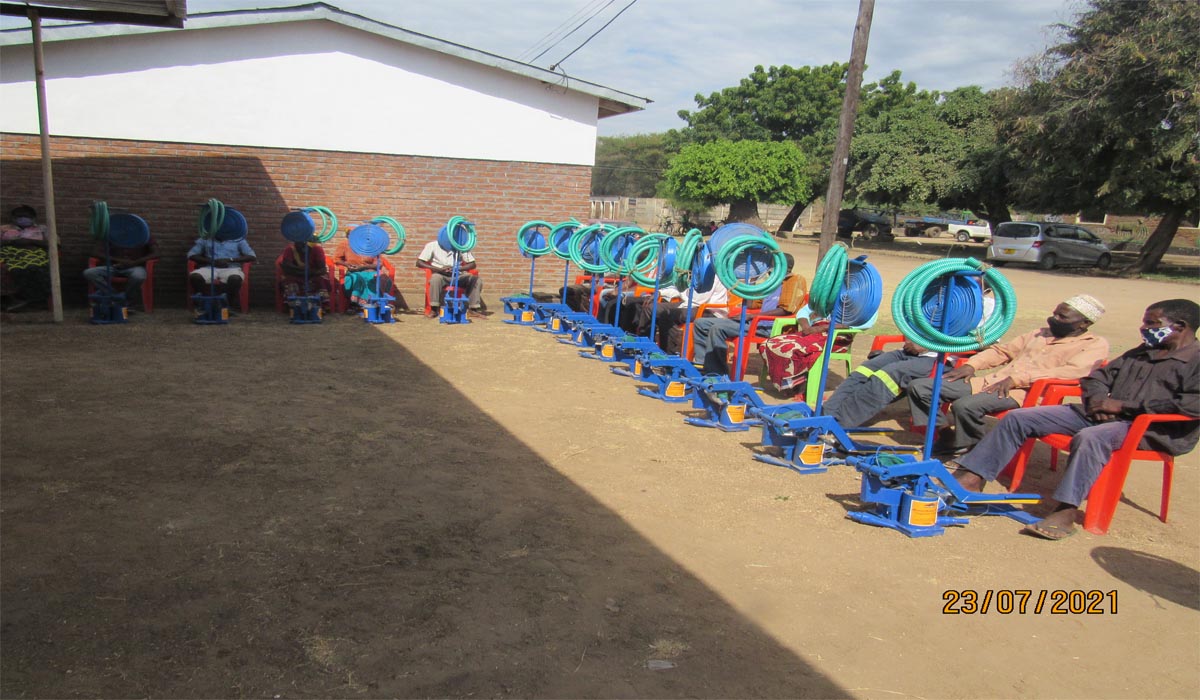
It is a marvellous project connected with the “Chimanga” Maize Project. Thanks to the Kemme Family from Greely in Cororado, USA who have given a very big hand in procuring many treadle pumps at once for the poor families. Thanks also to some people in Italy, Singapore and elsewhere who in one way or the other have participated in this project by providing treadle pumps to the poor families.
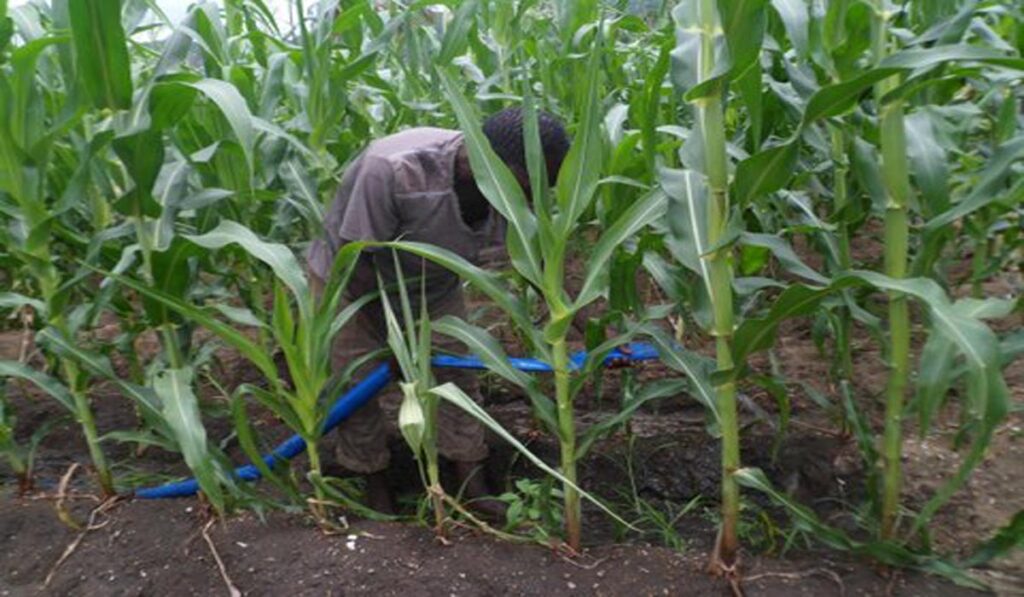
It is absurd that in Malawi we should speak of hunger when there are lakes and rivers with so much good water throughout the year. Instead of one maize harvest a year, families can harvest three times a year.
Despite the unpredictable rainfall we experience every year, we can use these treadle pumps near the lake or rivers where we can take the water directly from them. In more distant villages, the families dig shallow wells from where they draw the water for irrigating their maize or vegetable gardens.
St. John Nutrition Centre
In Malawi more than 1 million children under 5 years of age are suffering from acute malnutrition syndrome.
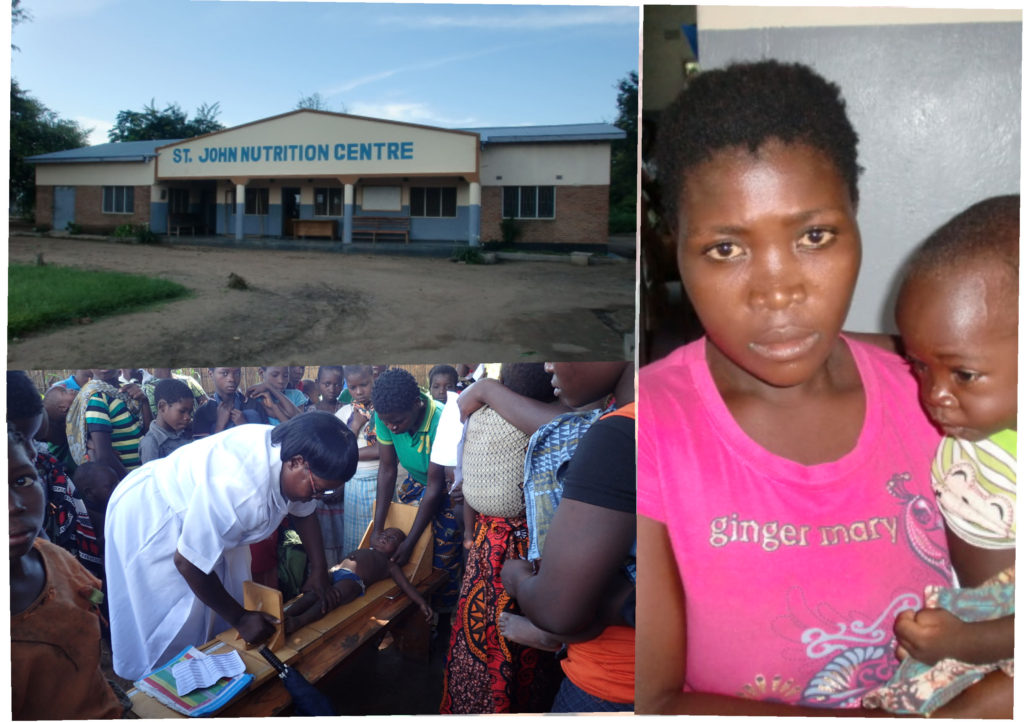
Some years ago we were able to build and open our Nutritional Centre. At this centre we help many children under 5 years of age coming from the 25 villages that are situated around St. John Nursery School. Every year more than 1,000 malnourished children are treated when their mothers bring them to the centre and get food and medicines there.
At the nutritional centre we have employed qualified staff. They visit the villages where mothers with children gather in one place where the worst cases are identified. There are sometimes serious cases showing, apart from malnutrition also other diseases or complications, so we have to bring them to the nearest hospital. It is gratifying and encouraging for us to go on even if it is very expensive and difficult without any form of steady financial assistance.
Care for the Poor, Old, Sick and the Orphans
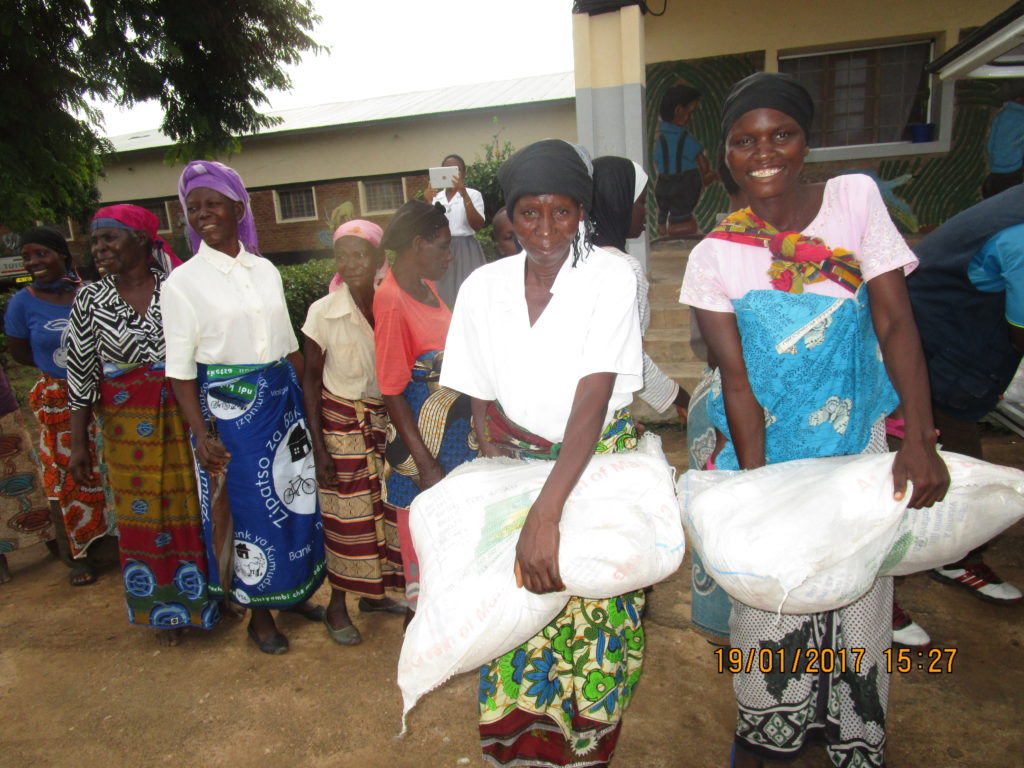
For many years, in front om my office there was always a long queue of poor people and people waited for their turn even for half a day. Most of the came to seek help and narrated of situations of extreme poverty. When you are confronted with such terrible cases it is difficult to get rid of the just with some words of comfort and hope.
we have a group of old, sick and poor people who receive help every month. Every 11th day of the month they come or send someone to collect their necessities enough for one month. At the moment we have a total number of 250 people in this group.
Assistance to Needy Students
We have a great number of students who attend different secondary schools, universities or colleges for whom we pay school fees. While primary school education is free in Malawi, secondary school education is very expensive here. We have seen that only a limited number of families with a good financial position can afford to help their children to proceed to secondary education.
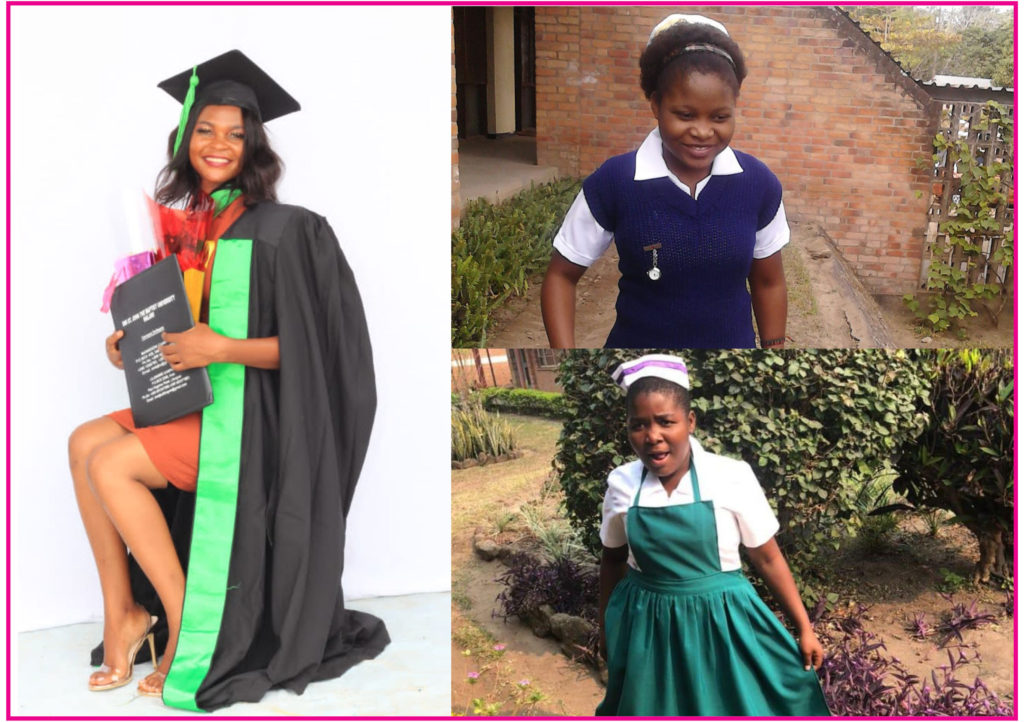
We are helping about 200 students: girls training to become nurses, some attending schools preparing to become teachers, some attending computer courses, others in some secondary school or professional schools like Technical Colleges spread around the country. This project takes up a lot of funds and leaves us often with a lot of debts.
We do this because we are of the opinion that our country badly needs well trained and educated people in every sector of life. And training of qualified people is a major issue in development in order to better our country’s situation of poverty.
We need you and your help so that we can help them
St. John Guest House


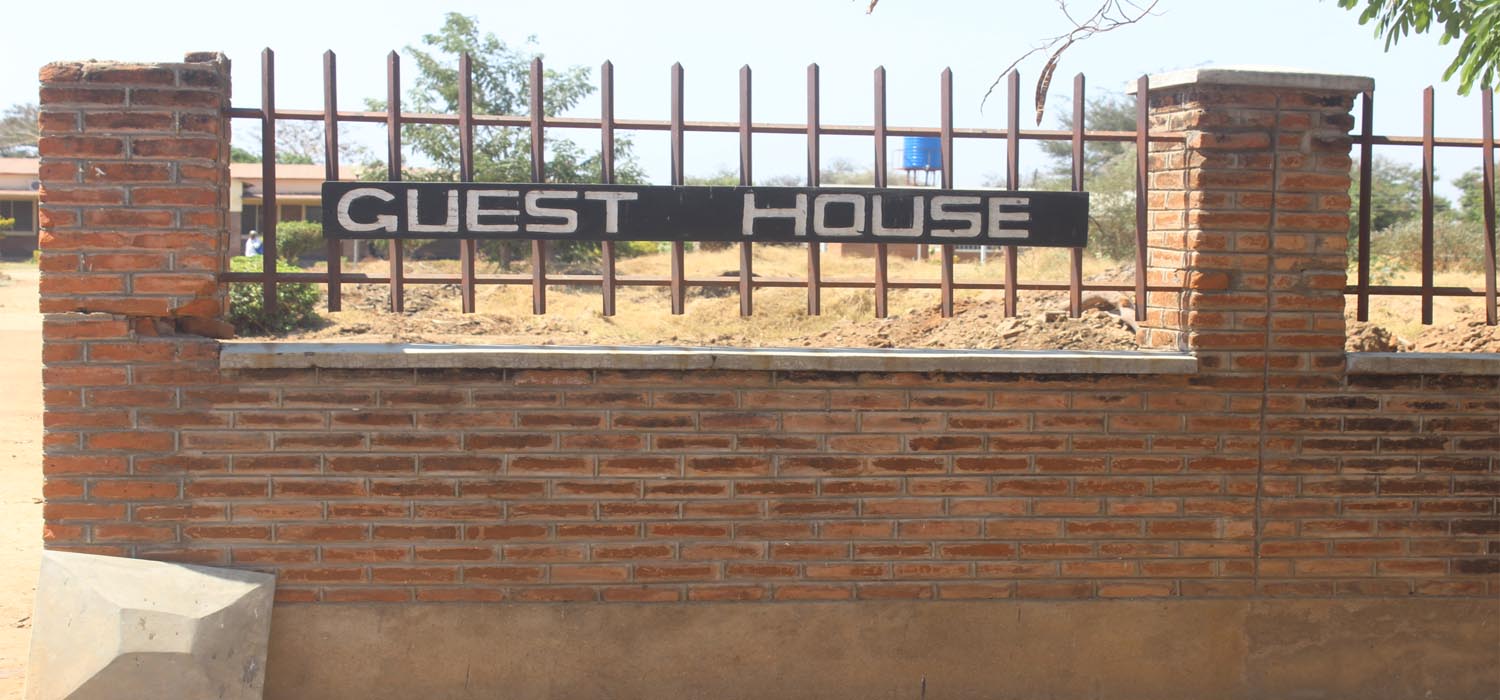
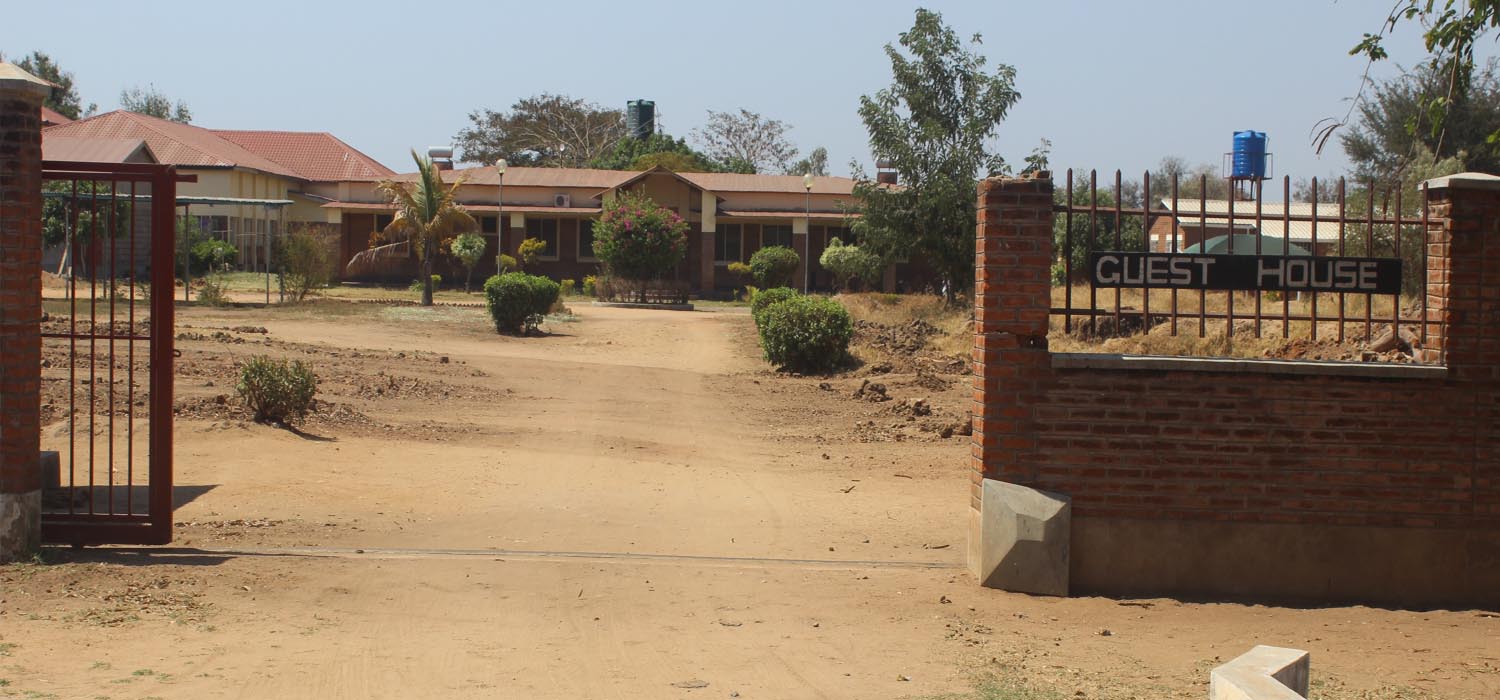
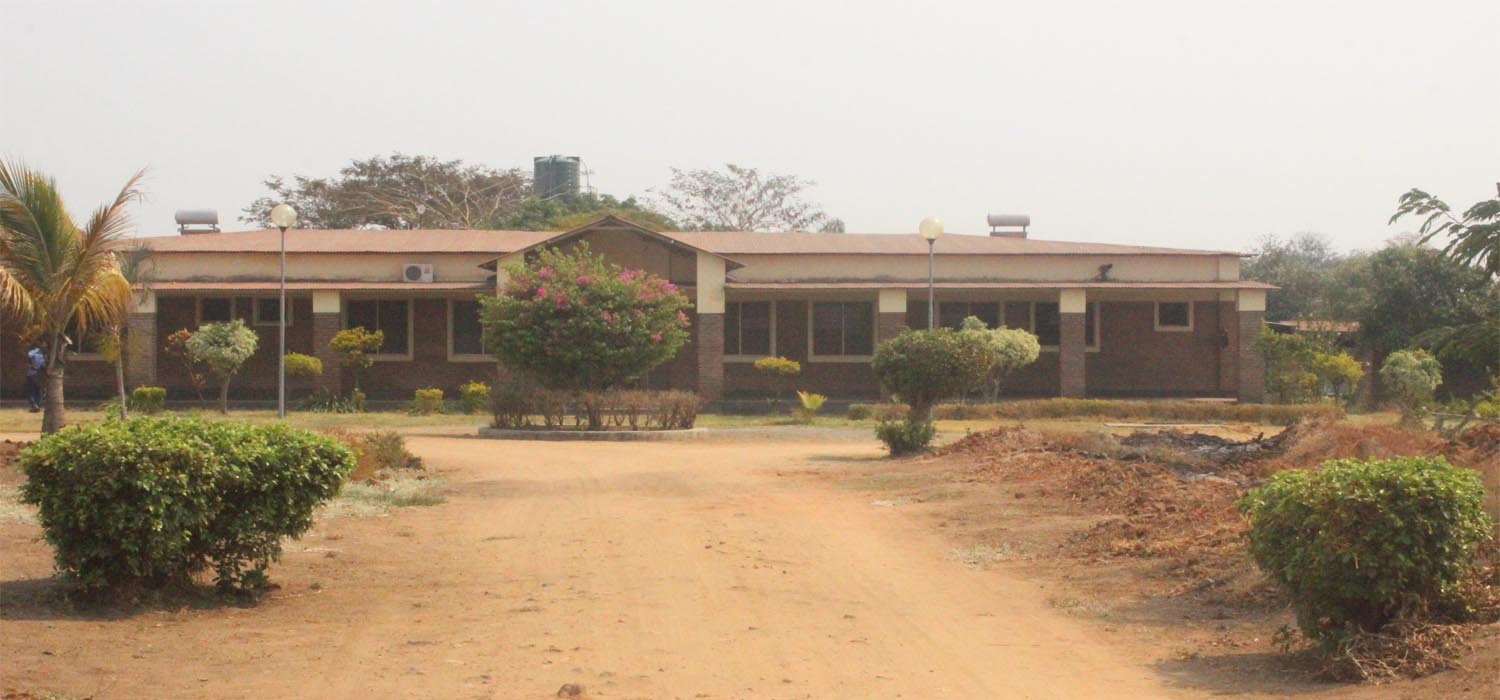
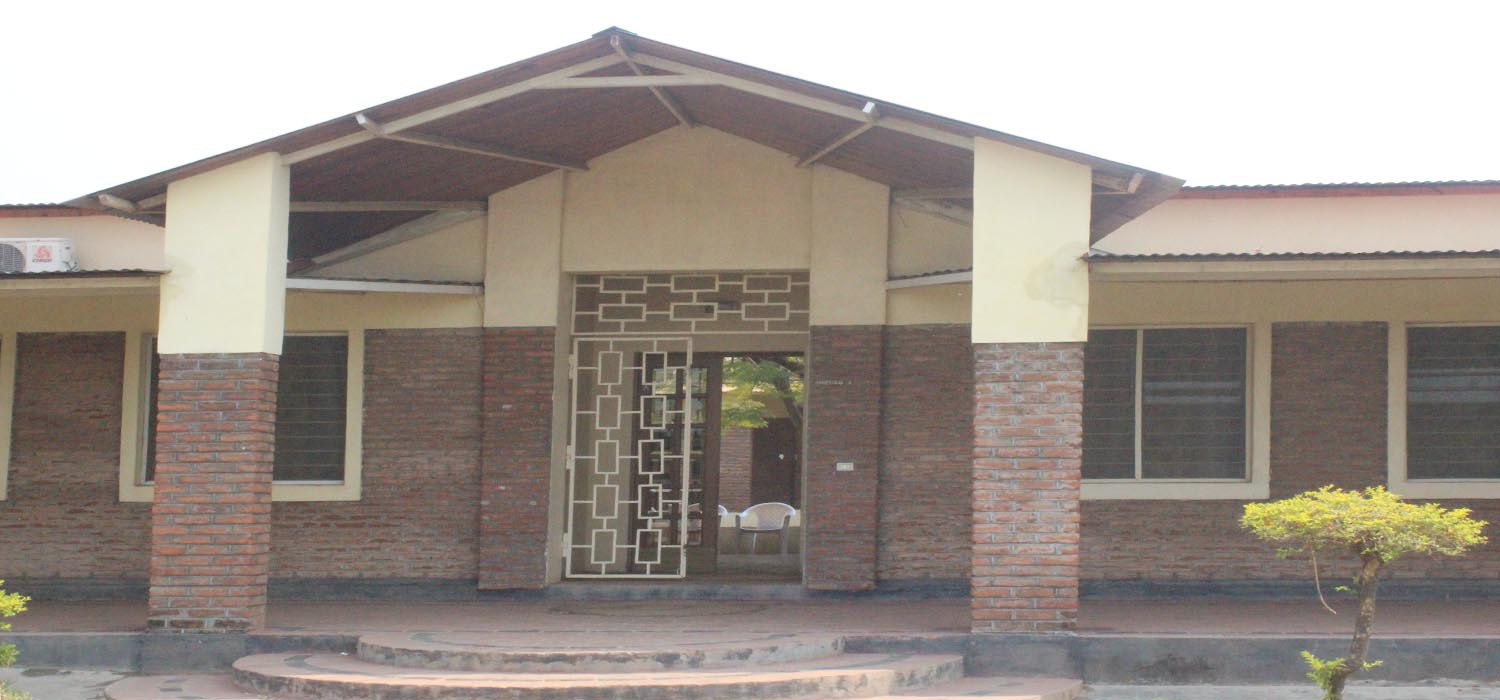
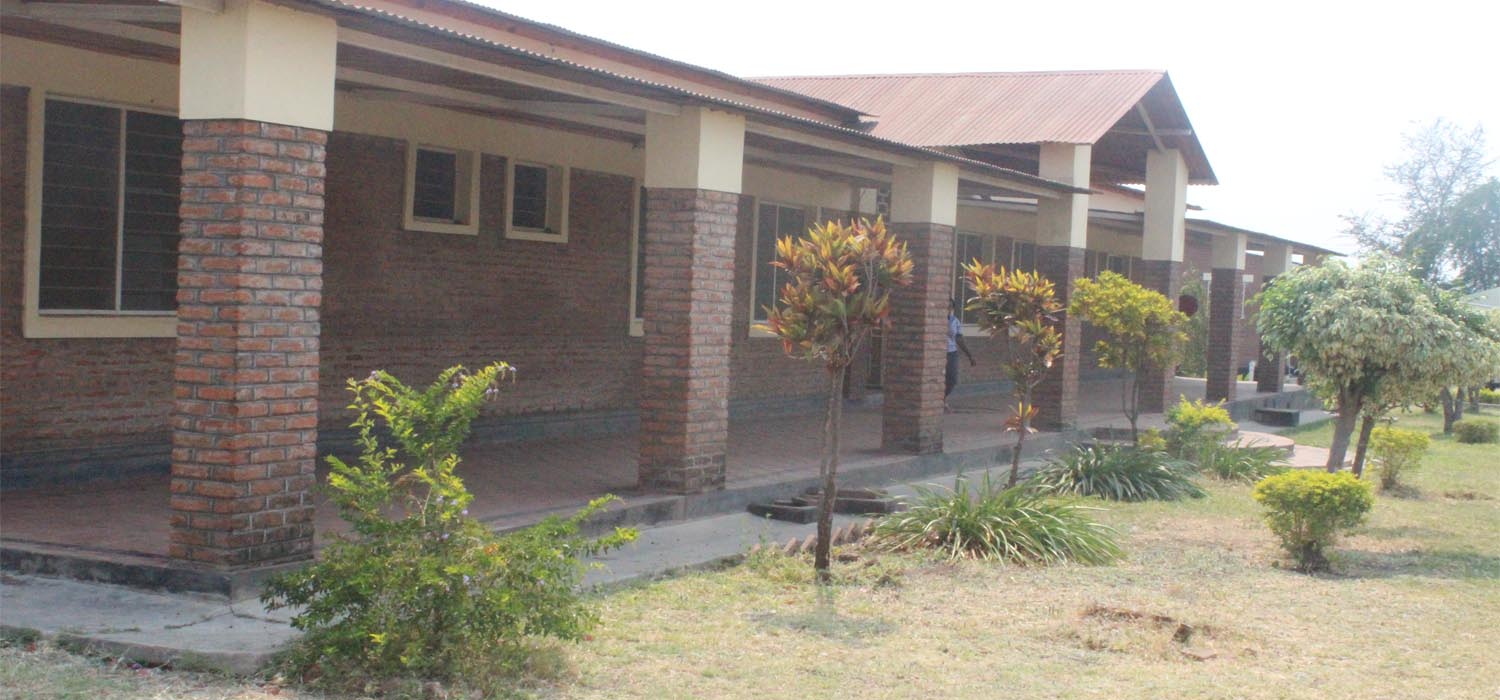
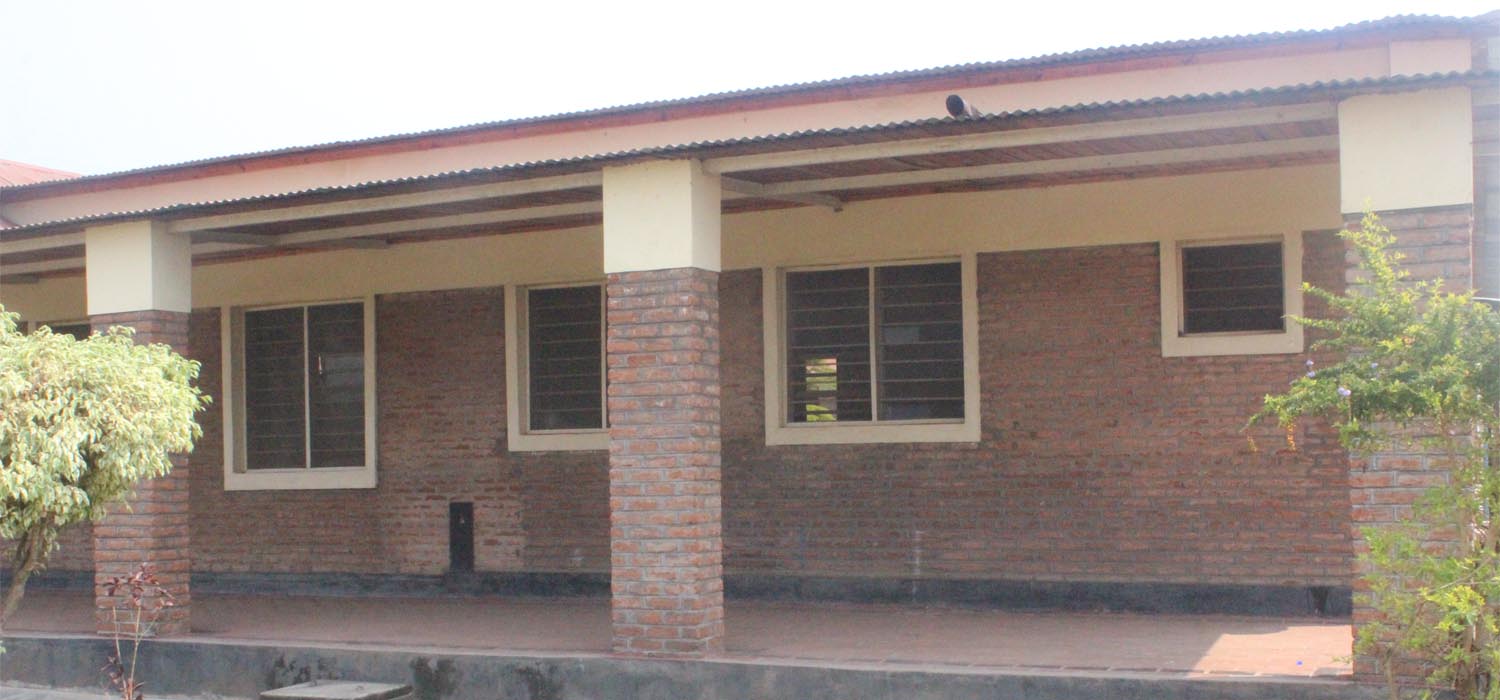
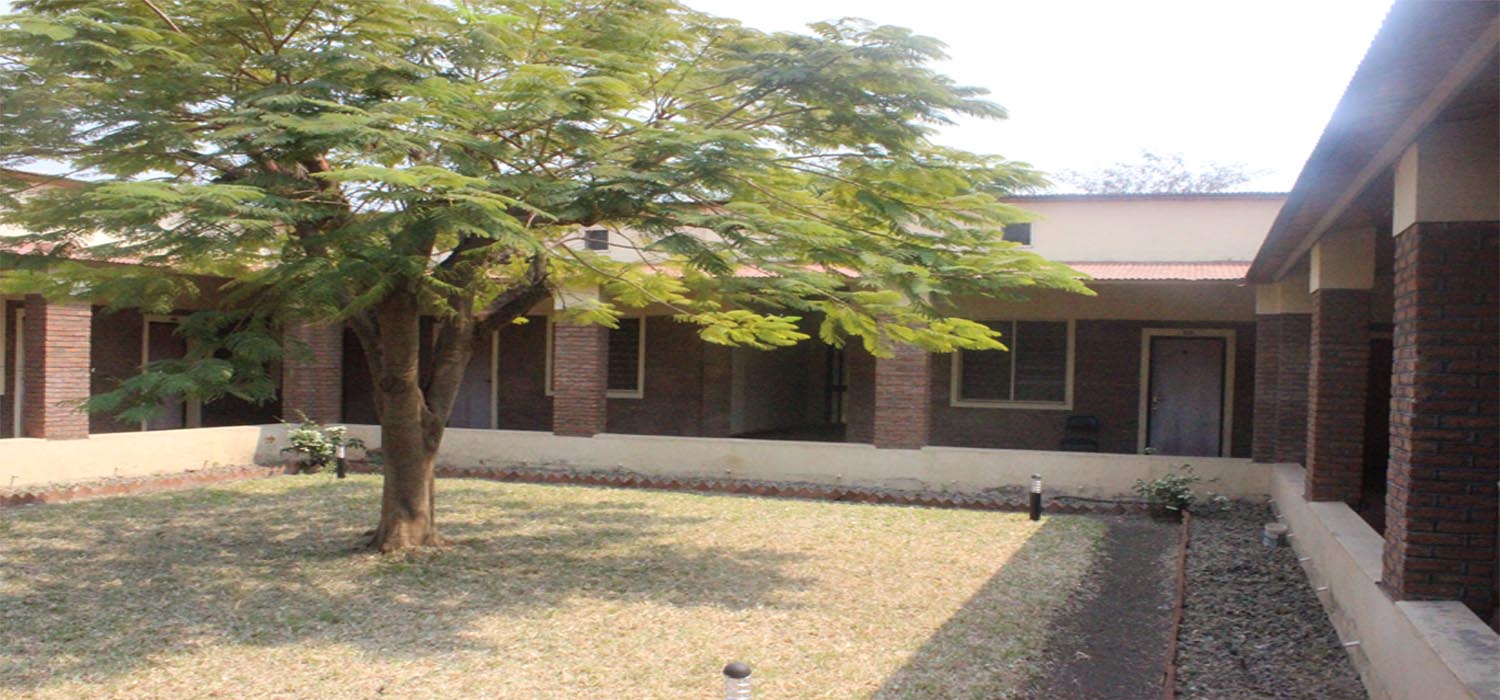
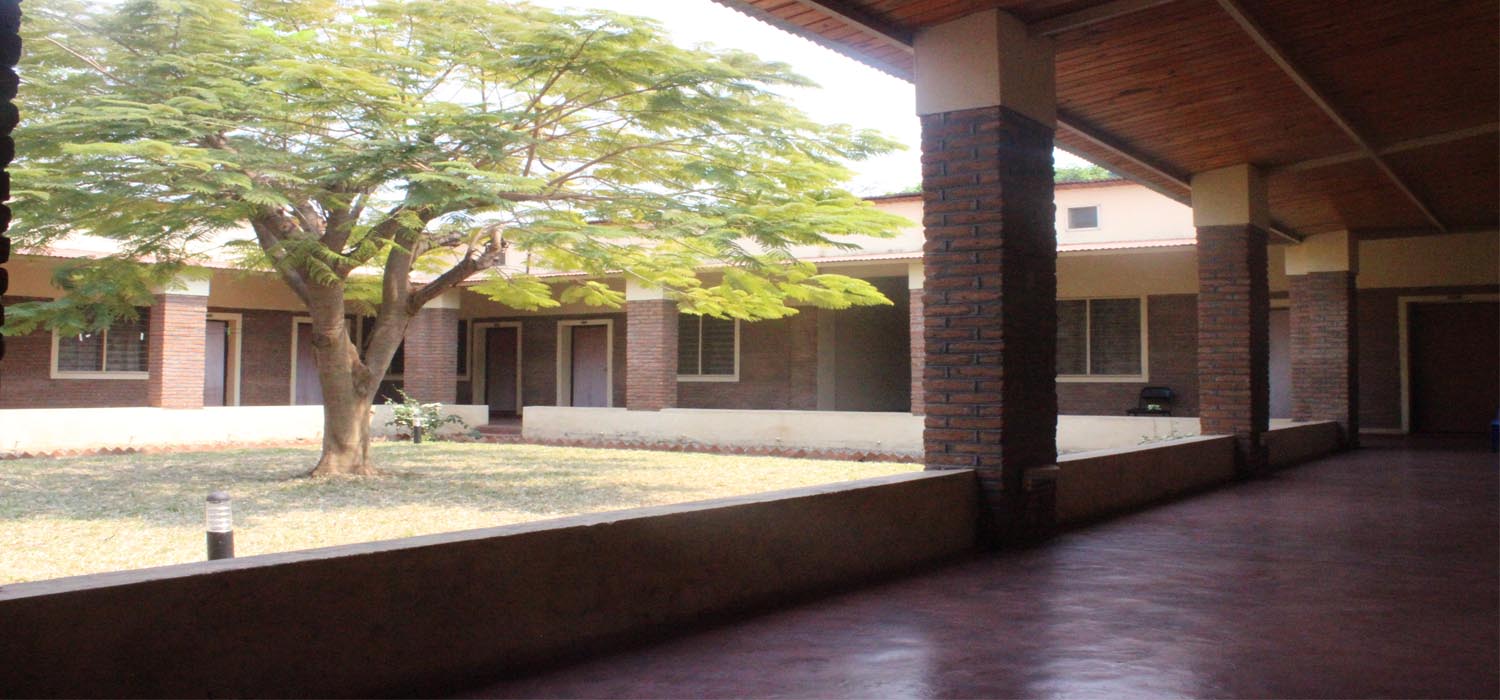
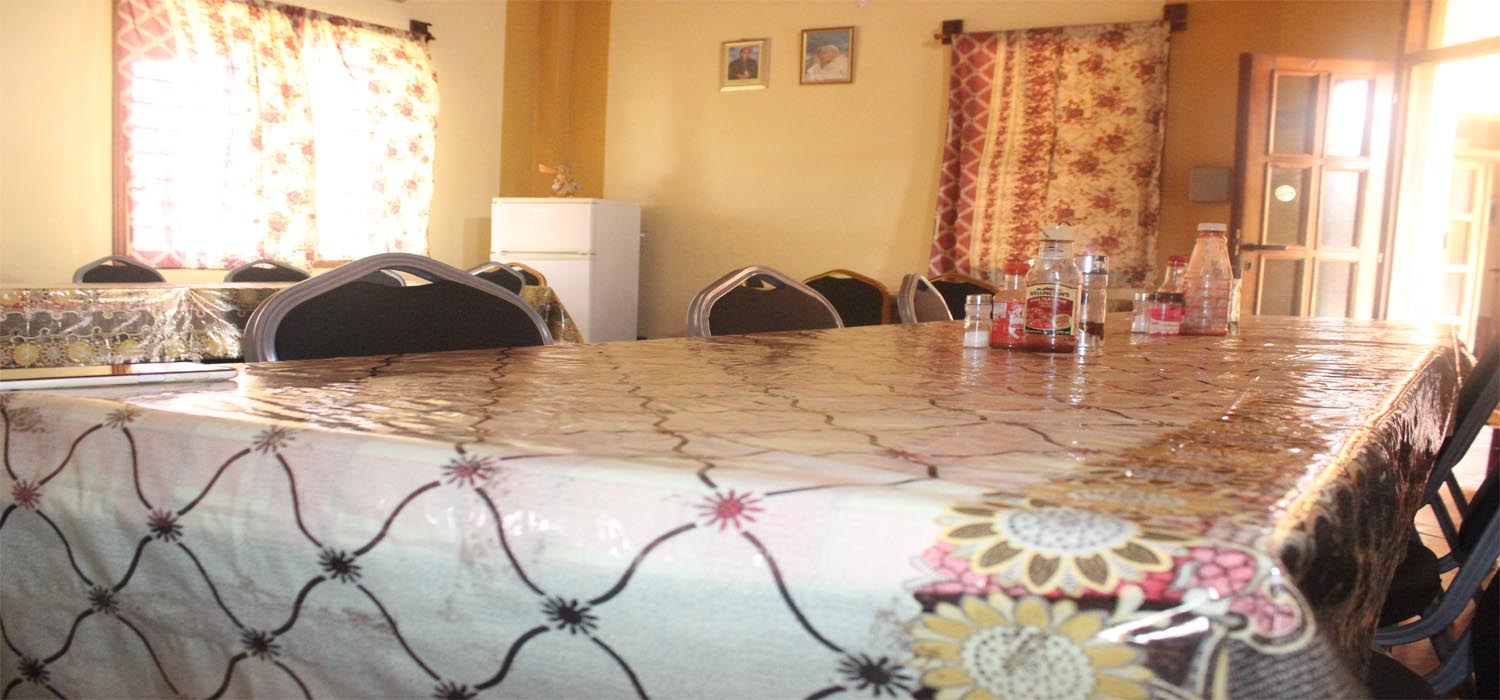
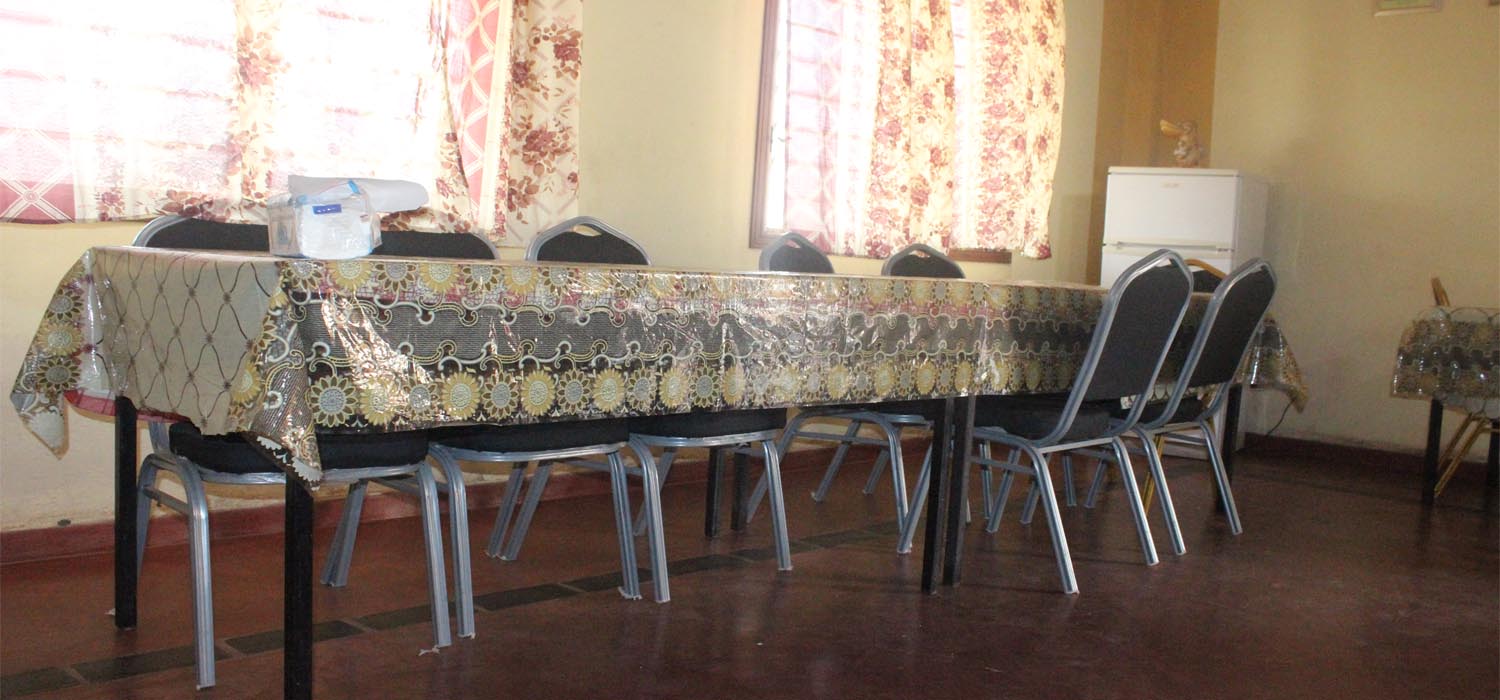
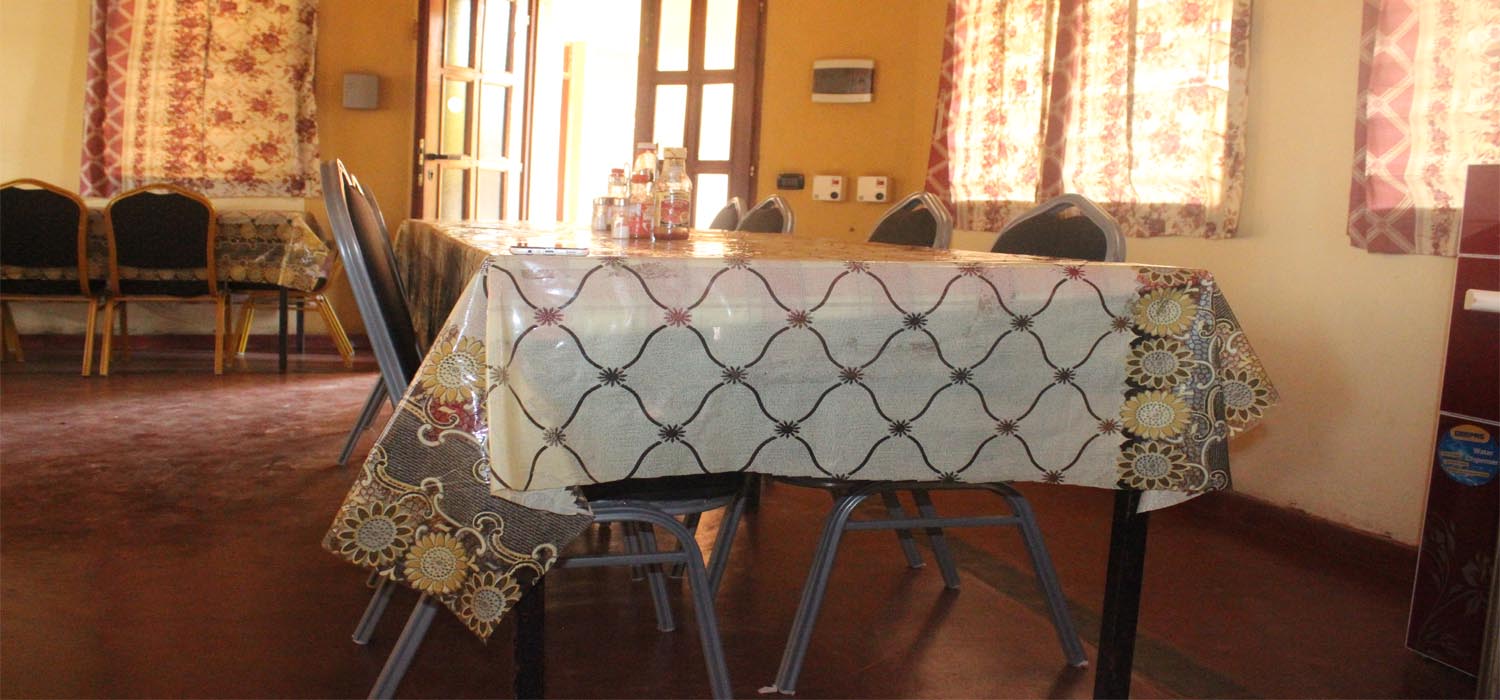
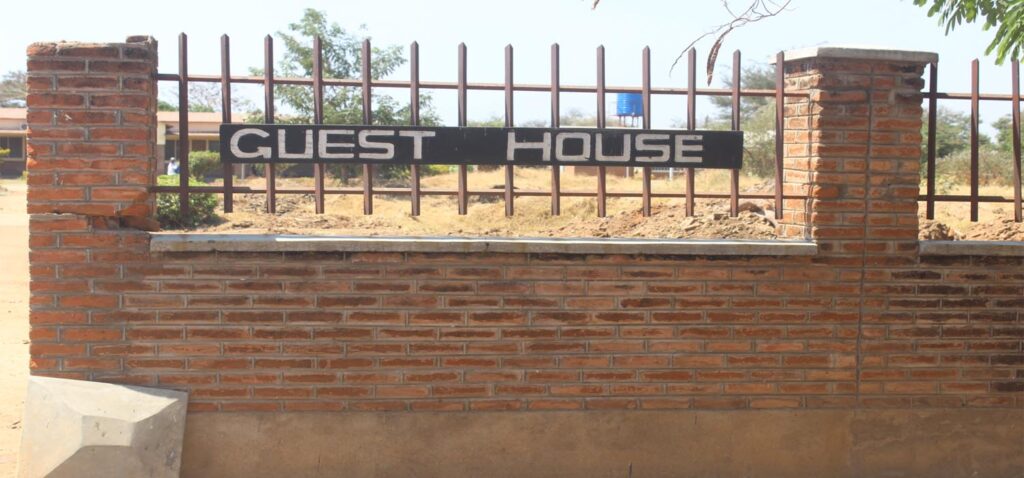
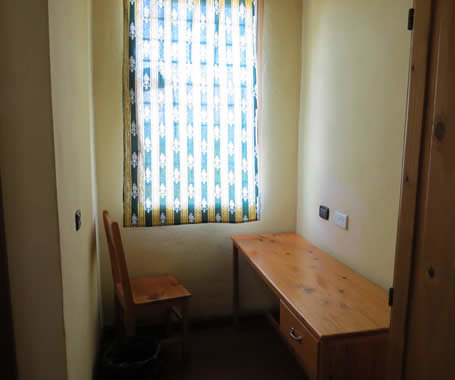
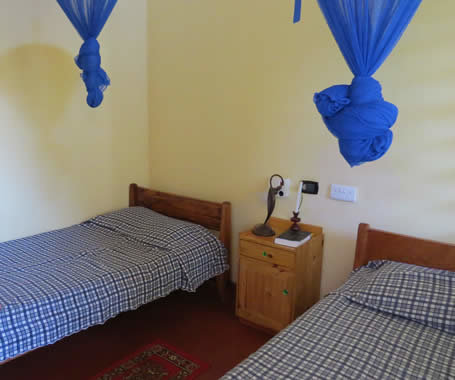
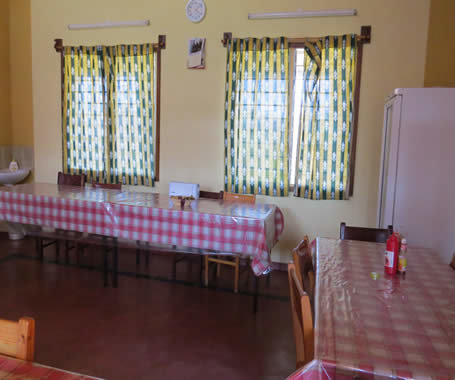
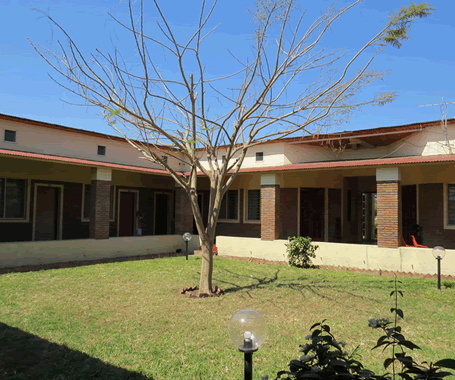
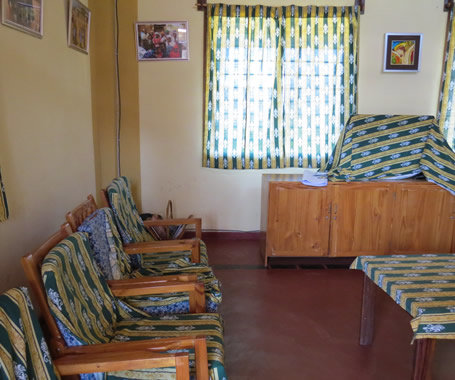
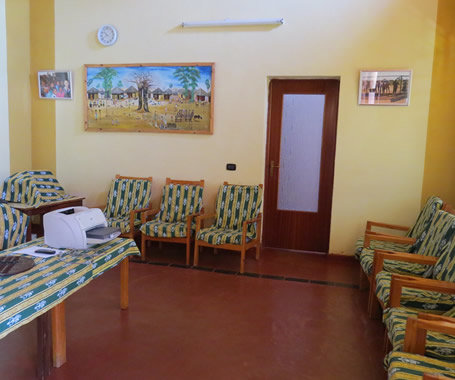
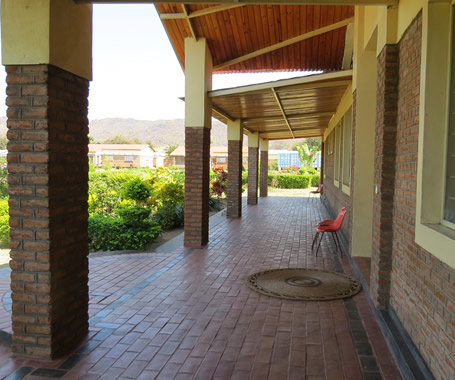
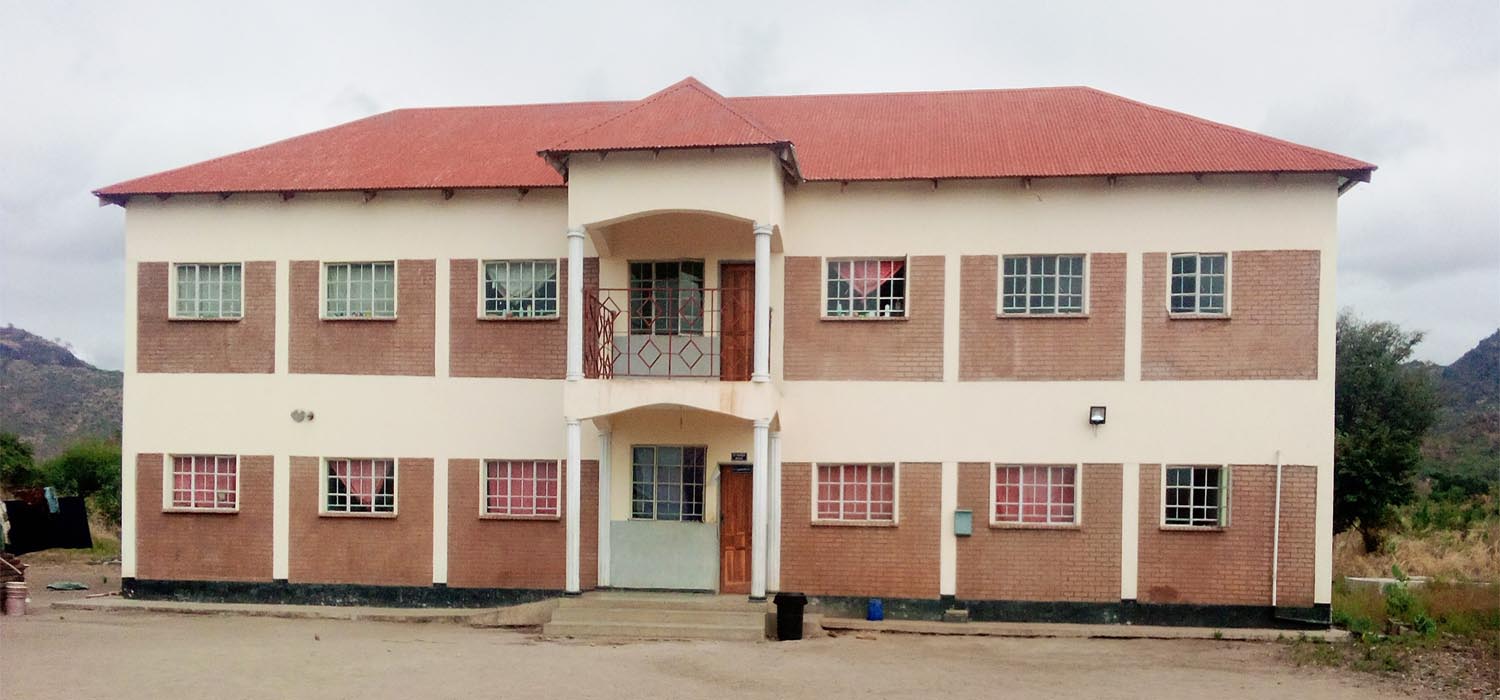
This guest house started hosting friends and volunteers in August 2009. It is a project carried out as an income generating activity. The construction of this house is due to the necessity of giving hospitality in a well equipped and adequate home to friends and benefactors who support our projects when they want to come and work as volunteers for short or longer periods of time, or to people who just want to come and visit us or want to spend some holidays or a time of rest and relax here with us and get to know our mission’s everyday life.
The St. John Guest House is an income-generating project for the purpose of supporting all our charitable projects listed above. With the global financial crisis, it is getting more and more difficult to find help and support from abroad. So, this is an attempt to introduce a self-supporting activity to generate funds here at home.
Due to high demand, we plan to build a conference room, a chapel and a storeroom. At a Guest House like this, offering board and lodging, the possibility to hold meetings and conferences are often sought after.
Up to now, people who have visited this Guest House have been very satisfied with the services and have always expressed the desire to come back.
ST. JOHN GIRLS' PRIMARY SCHOOL


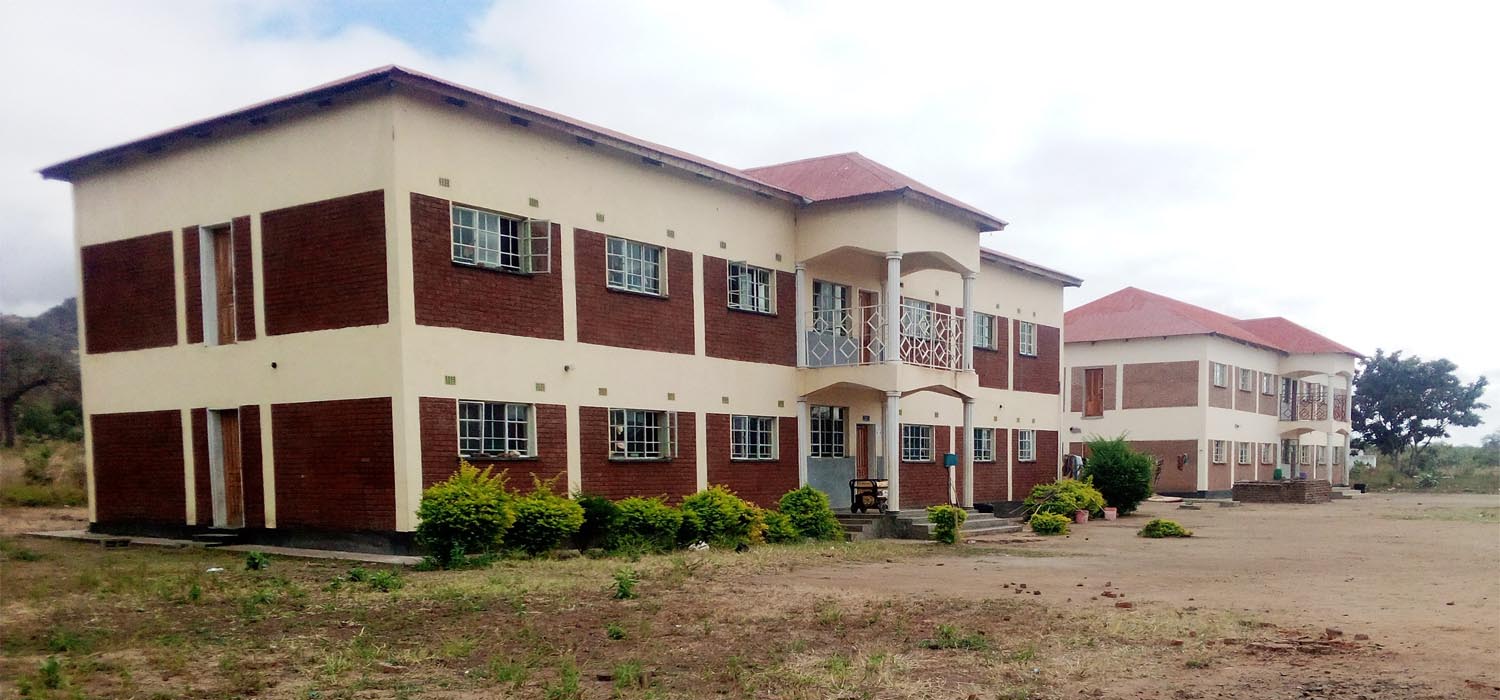
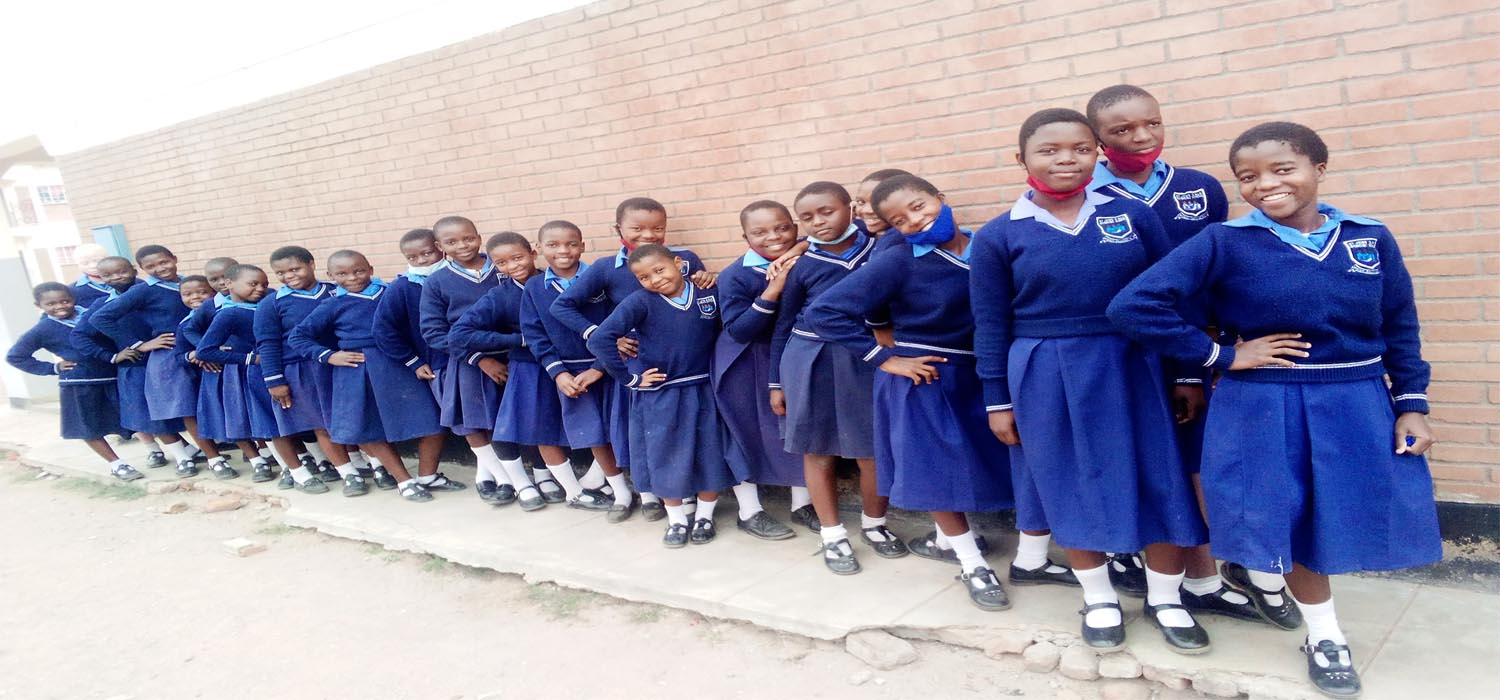
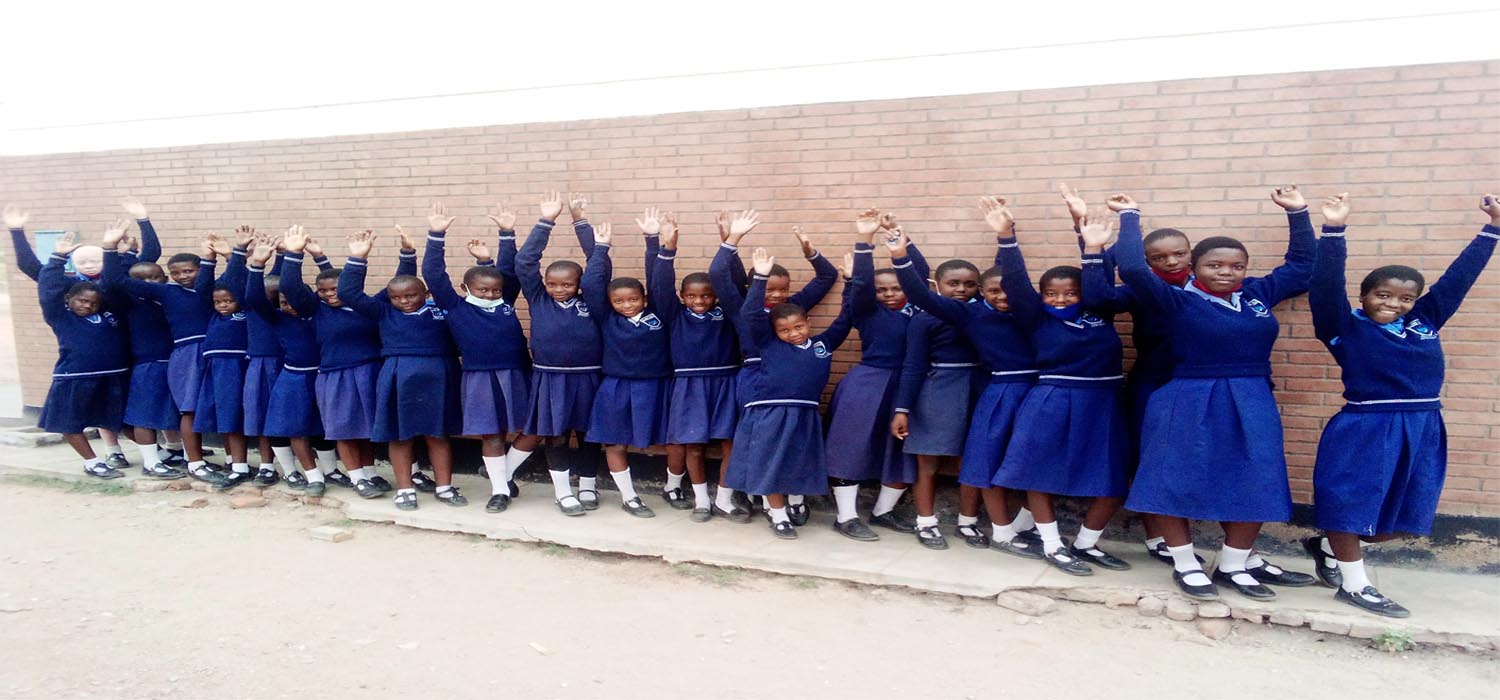
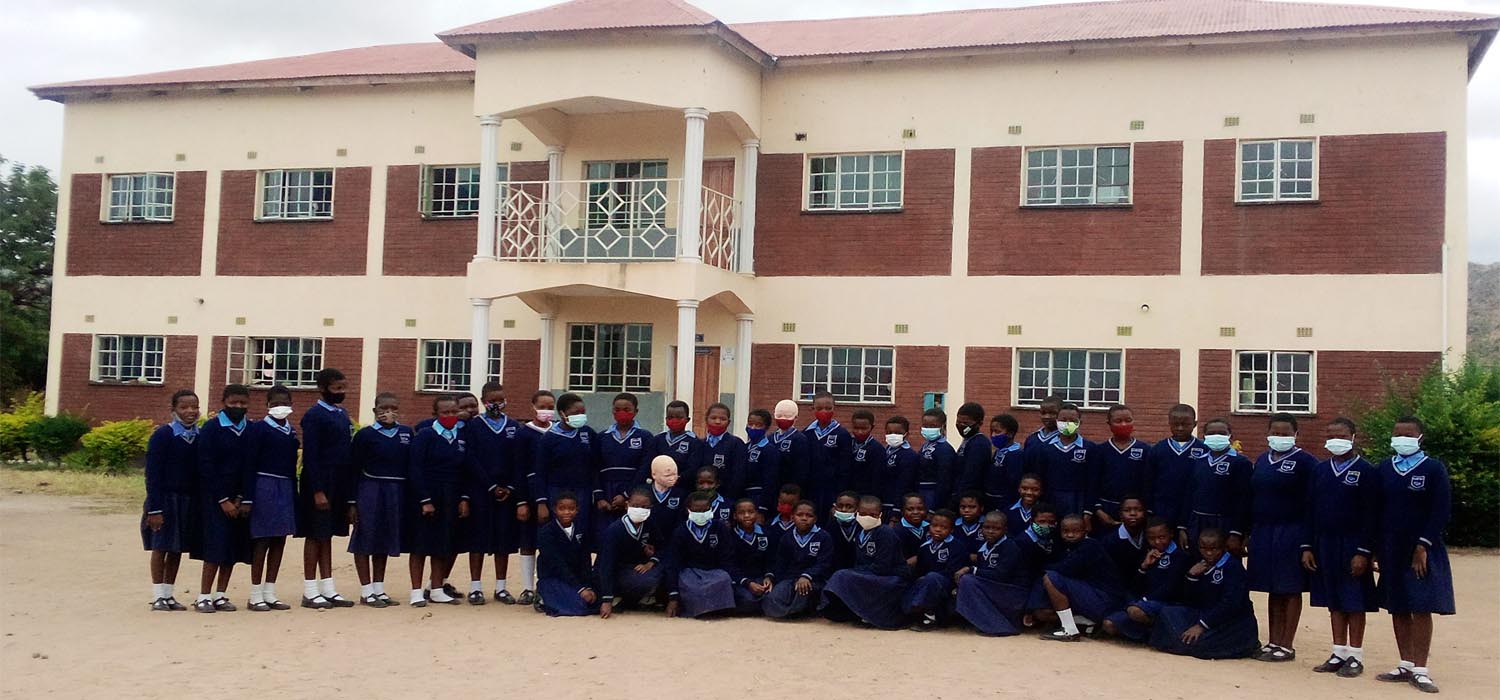
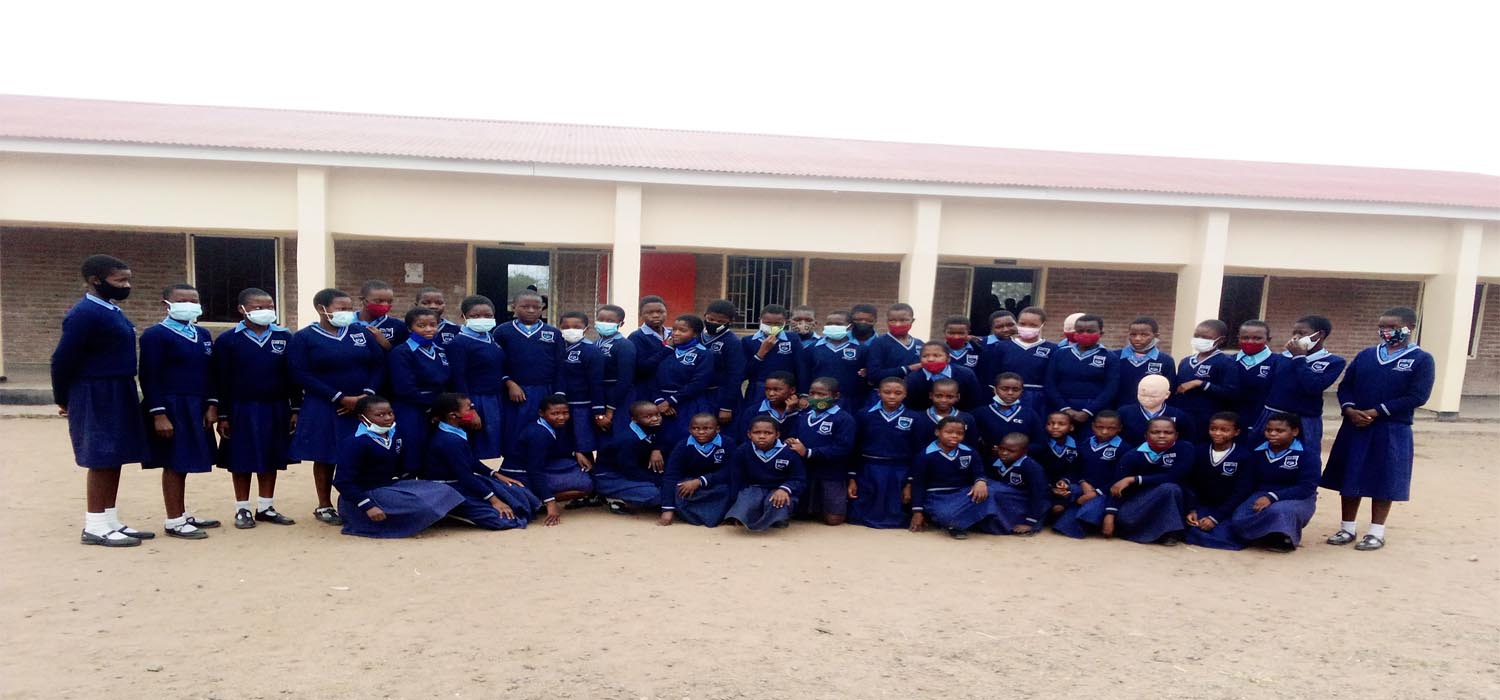
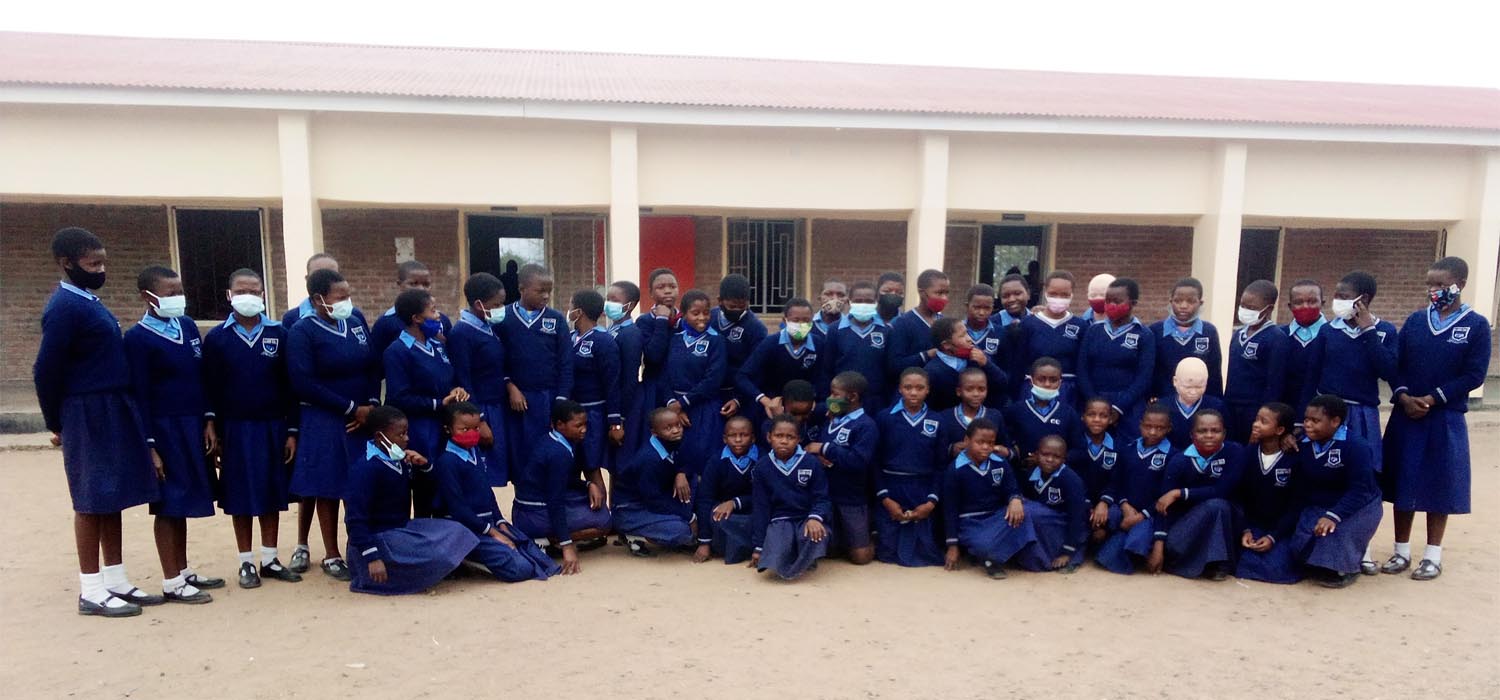
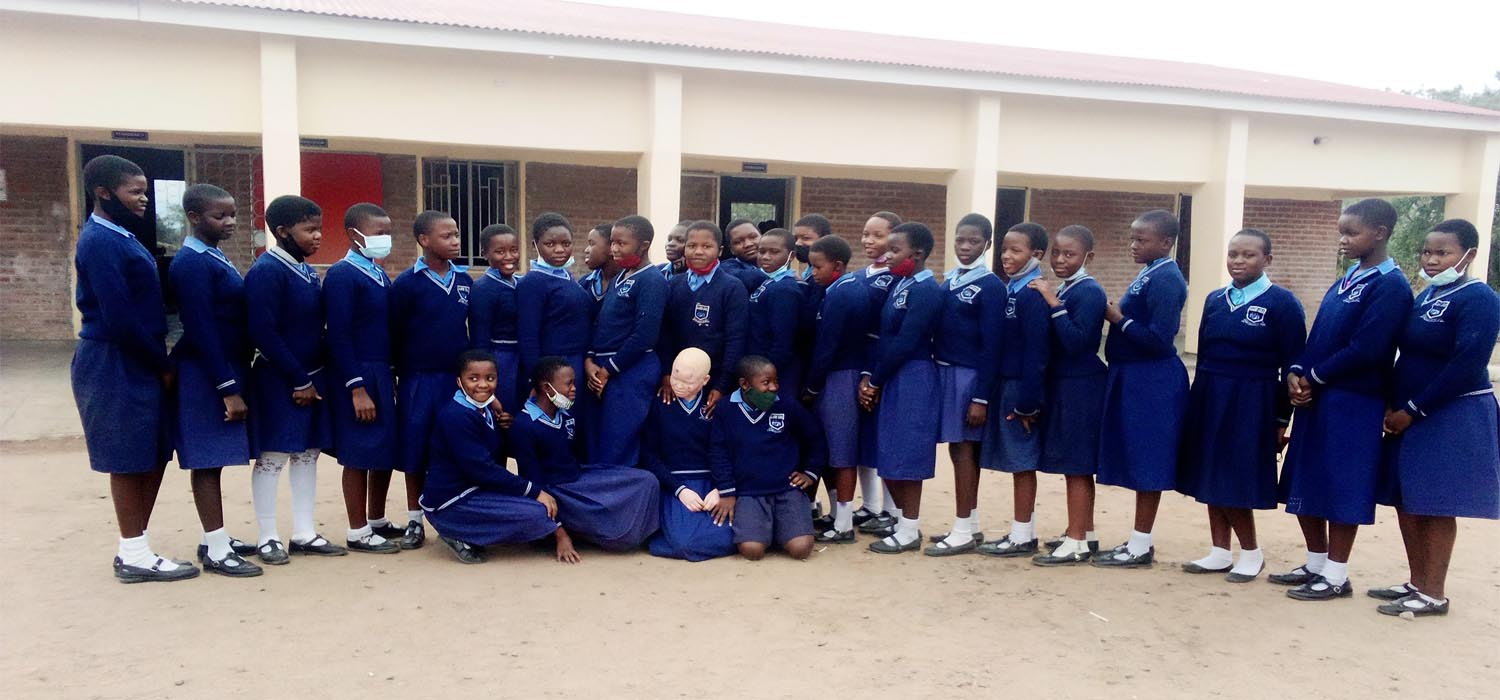
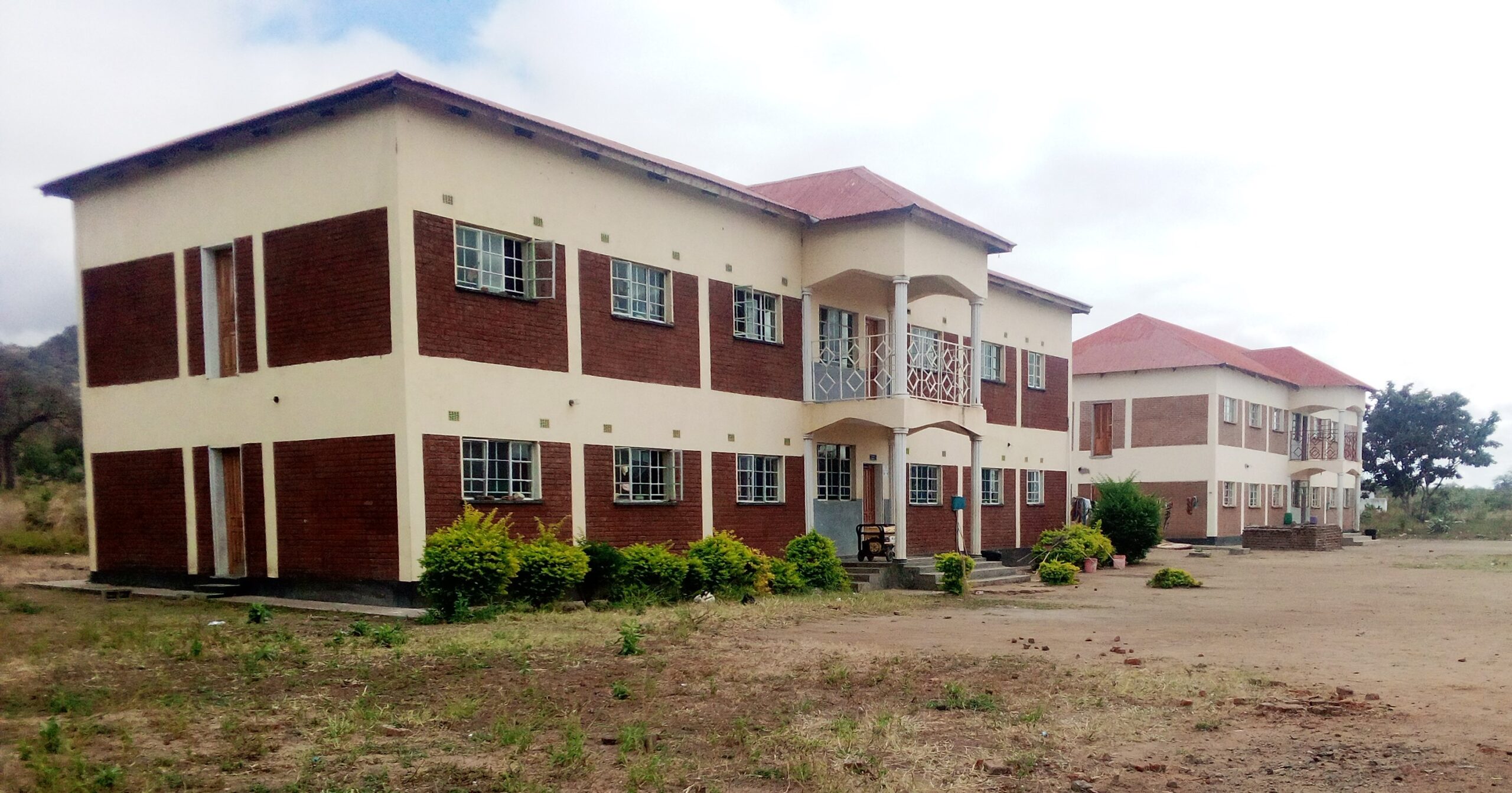
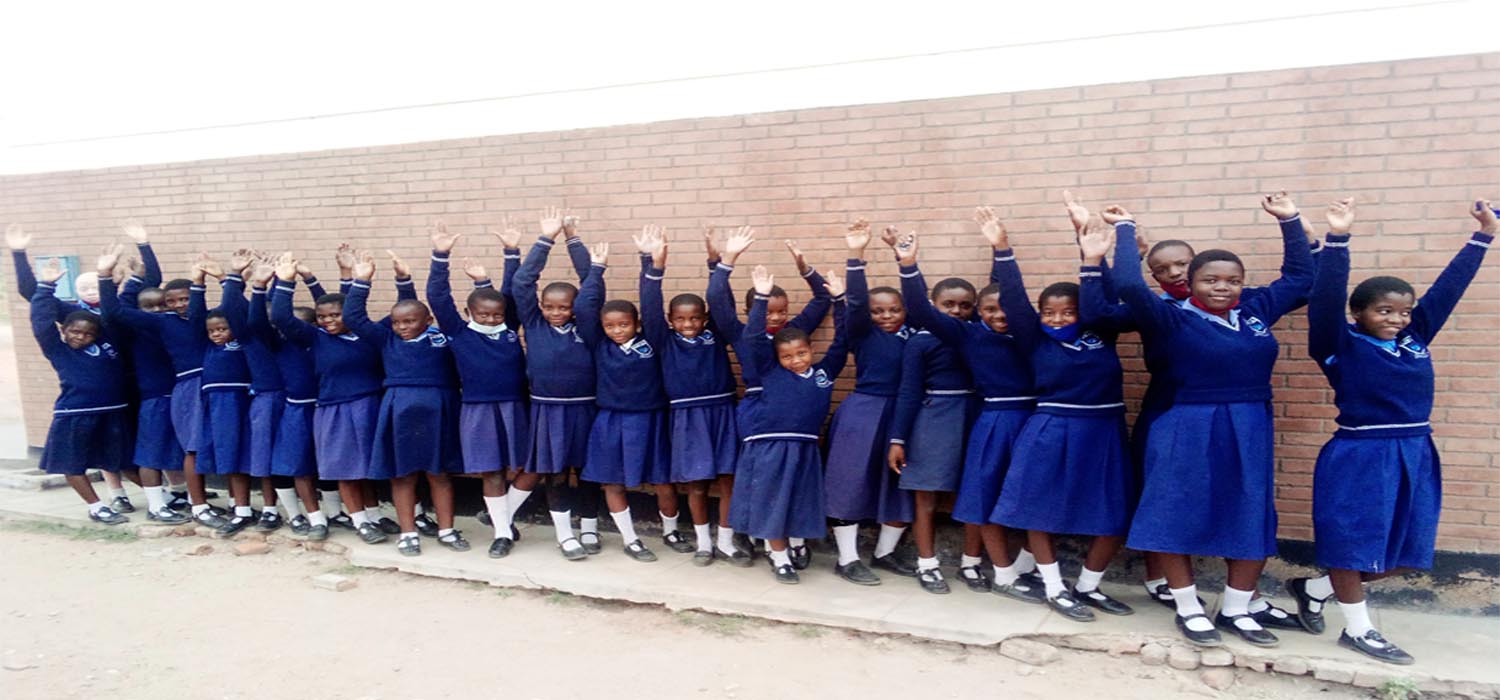
It is a boarding school for about 200 girls aged between 7 and 16 years i. e. Primary school girls. We have a certain number of girls who, unfortunately, have various family problems (they are orphans or have difficult family situations or are especially poor). The girls are able to study in favourable surroundings and without many distractions to which young girls are prone.
It caters for standards 5 to 8 primary school girls. This project: St. John Girls Private Boarding Primary School, aims at supporting girls’ education through the establishment of a girls’ boarding school which among its subjects includes a major component of skills development. At the moment computer lessons are offered to all the girls at our school. This is a great opportunity for our girls to take computer lessons already at an early age in primary school.
The overall objective of the project is to contribute towards accelerating efforts to advance the education of girls and eradicate the rate of girls’ drop out from school.
Construction of Boreholes in Memory of Bishop Alessandro Assolari
Water means life. We would like to remember Bishop Assolari in Africa by giving “life” to many poor people of the Diocese of Mangochi who cannot get potable drinking water through the construction of 51 bore holes with hand pumps. These bore holes are drilled in the villages and poorer institutions.
FISH PONDS
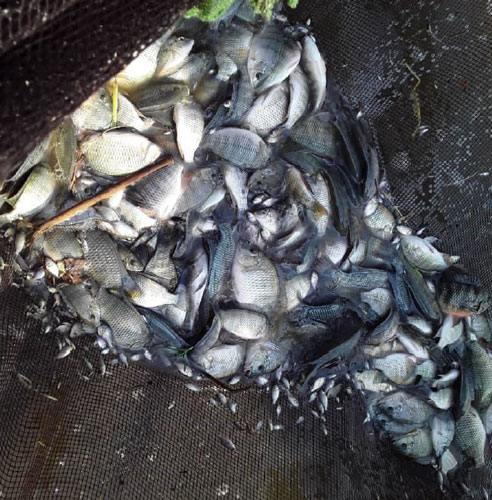
In March 2019 we started a fish farming project as an income-generating activity for two reasons:
- To source funds to support the various charitable projects we run.
- To provide fish meals to: (i). Our two nursery schools, (ii). Nutrition centre, (iii). Girls boarding primary and secondary schools.
We have so far constructed 12 large fish ponds of 20 by 30 metres big. Each pond has 5,000 fish. The sales will also help us in paying school fees for poor students in secondary schools, colleges and universities. It will also assist us in helping the many poor, old and sick people whom we assist every month.
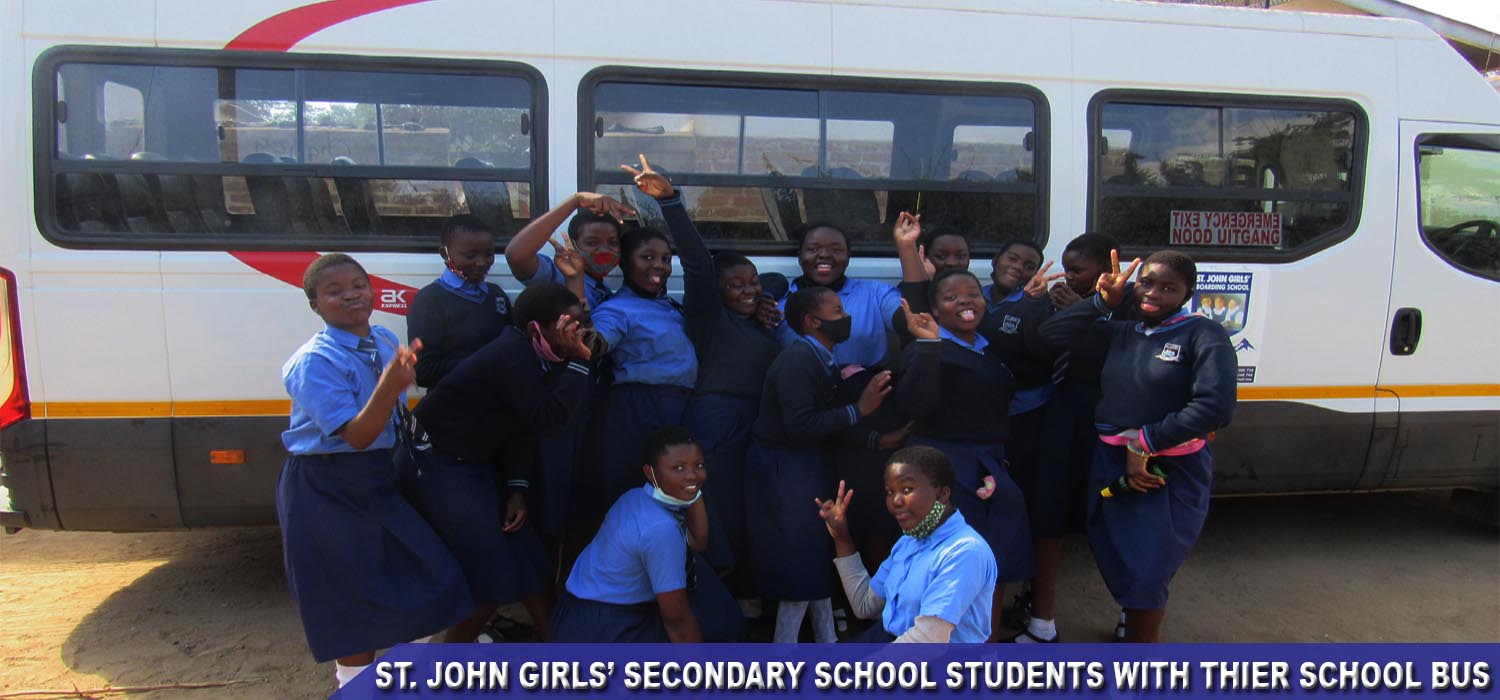
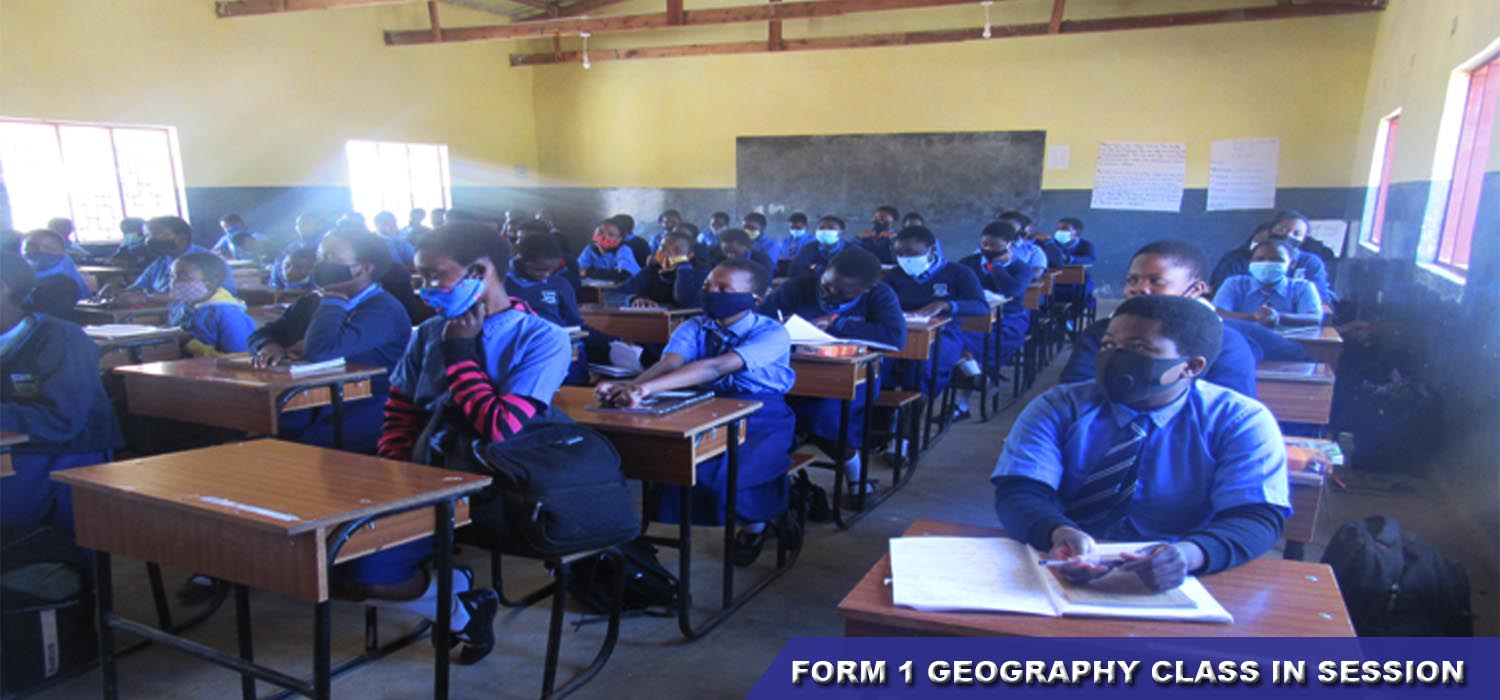
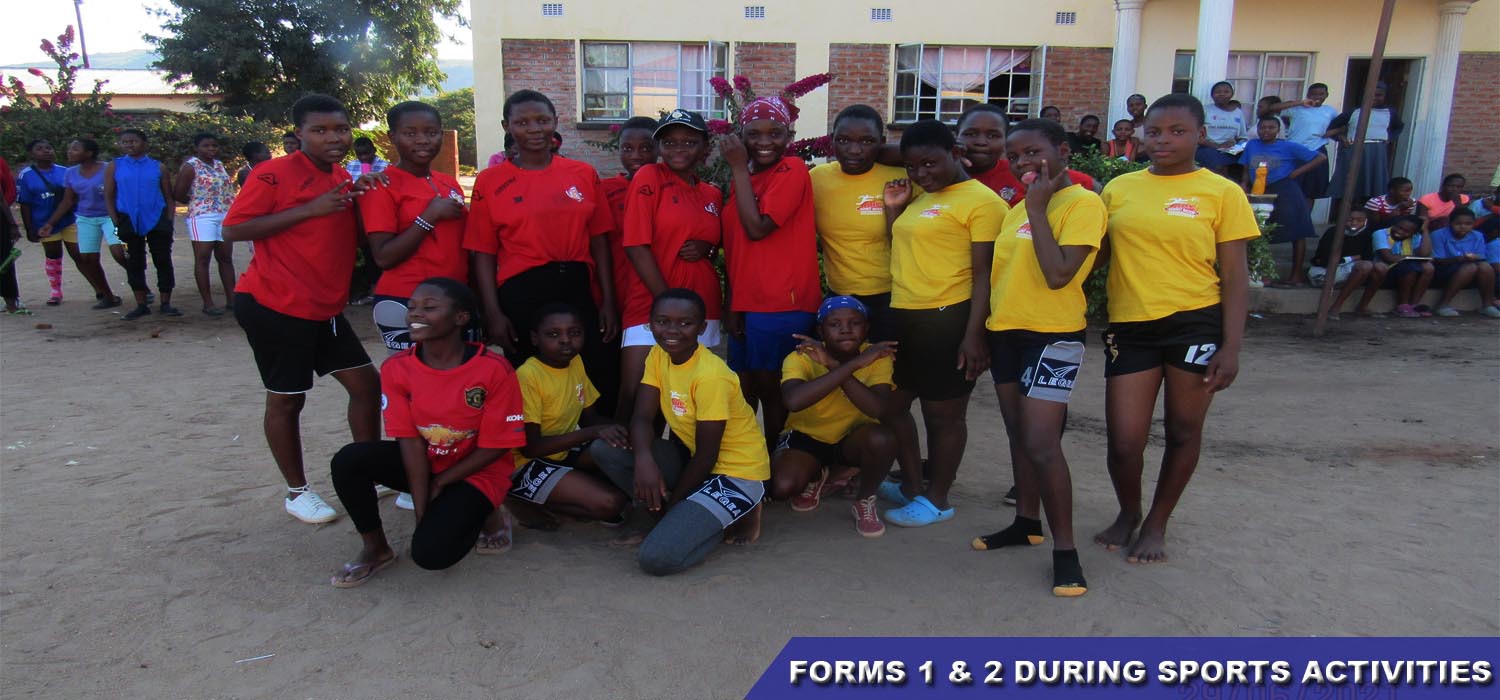
St. John GirlS' Secondary School


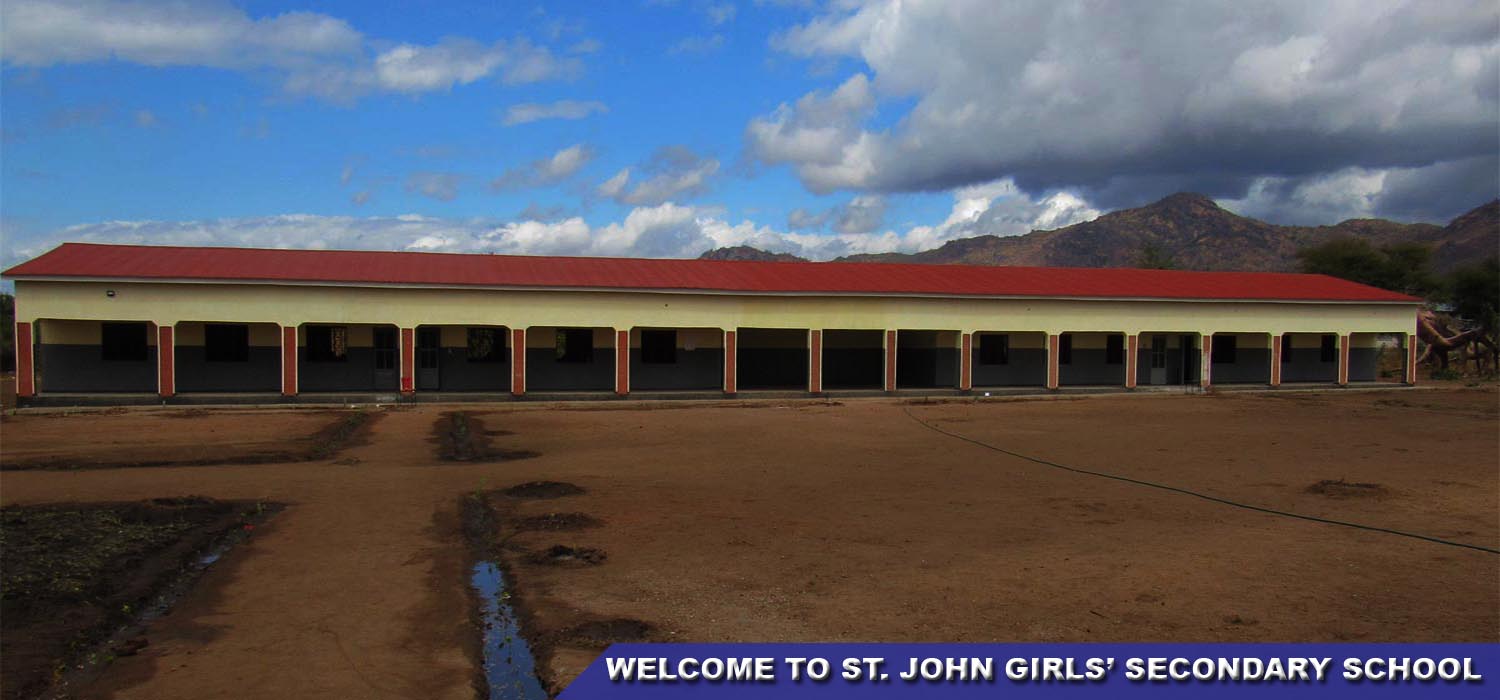
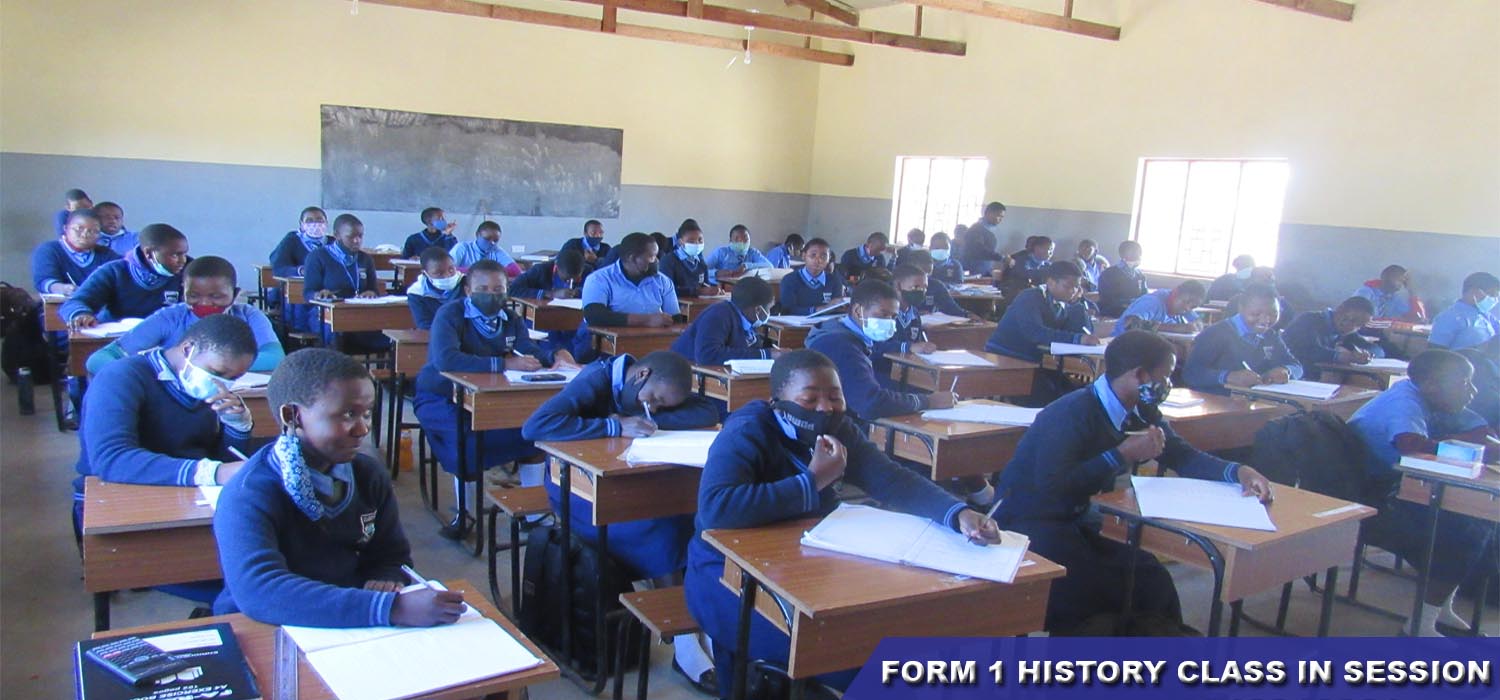
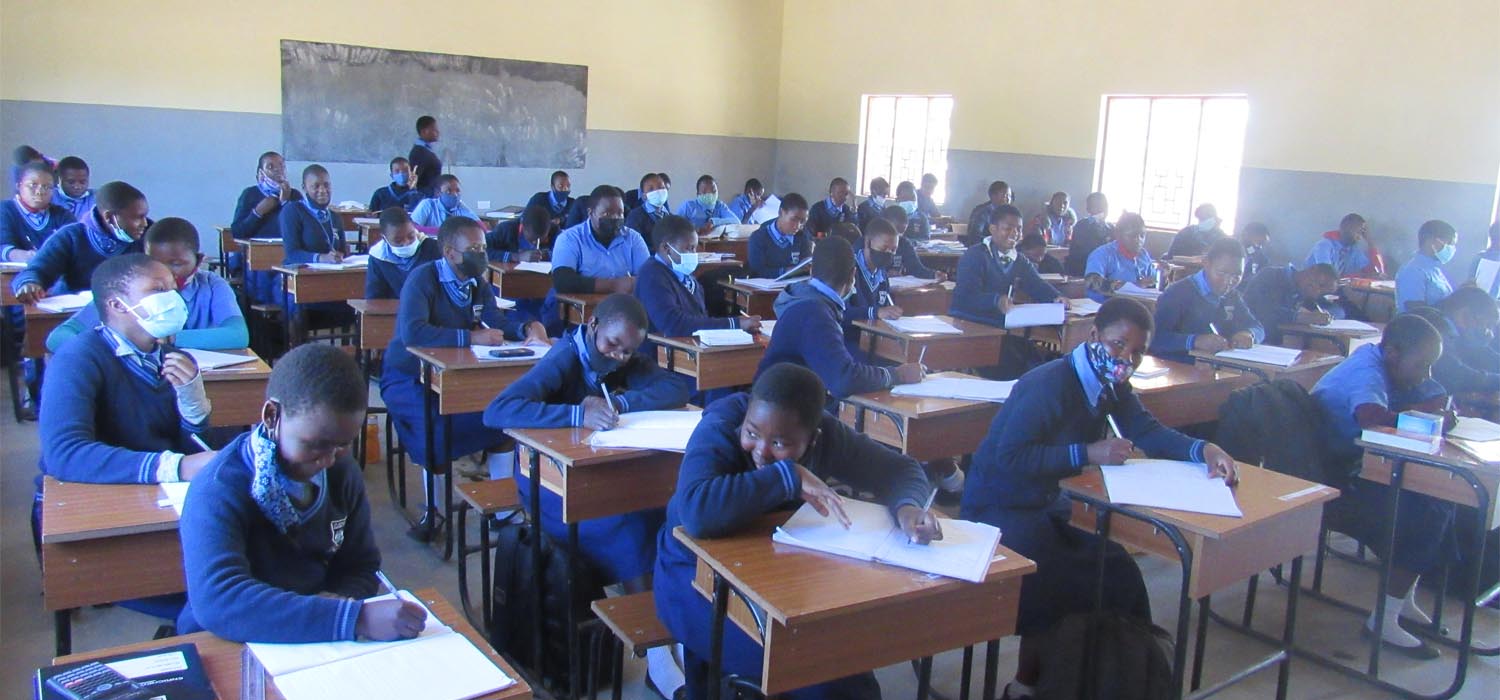
This is a sister school to the primary school for girls. The aims and objectives are the same. The focus is on offering integral education to the girls to prepare them for a more dignified life in future.
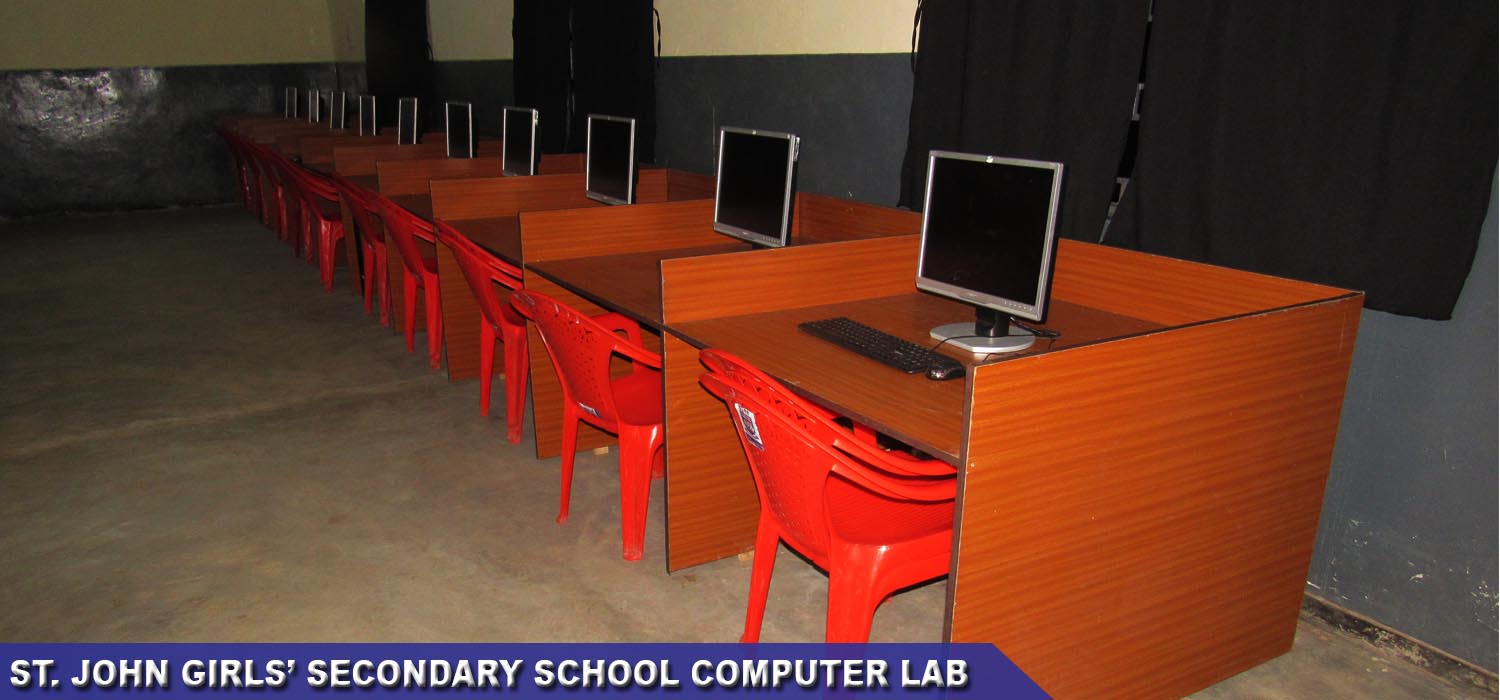
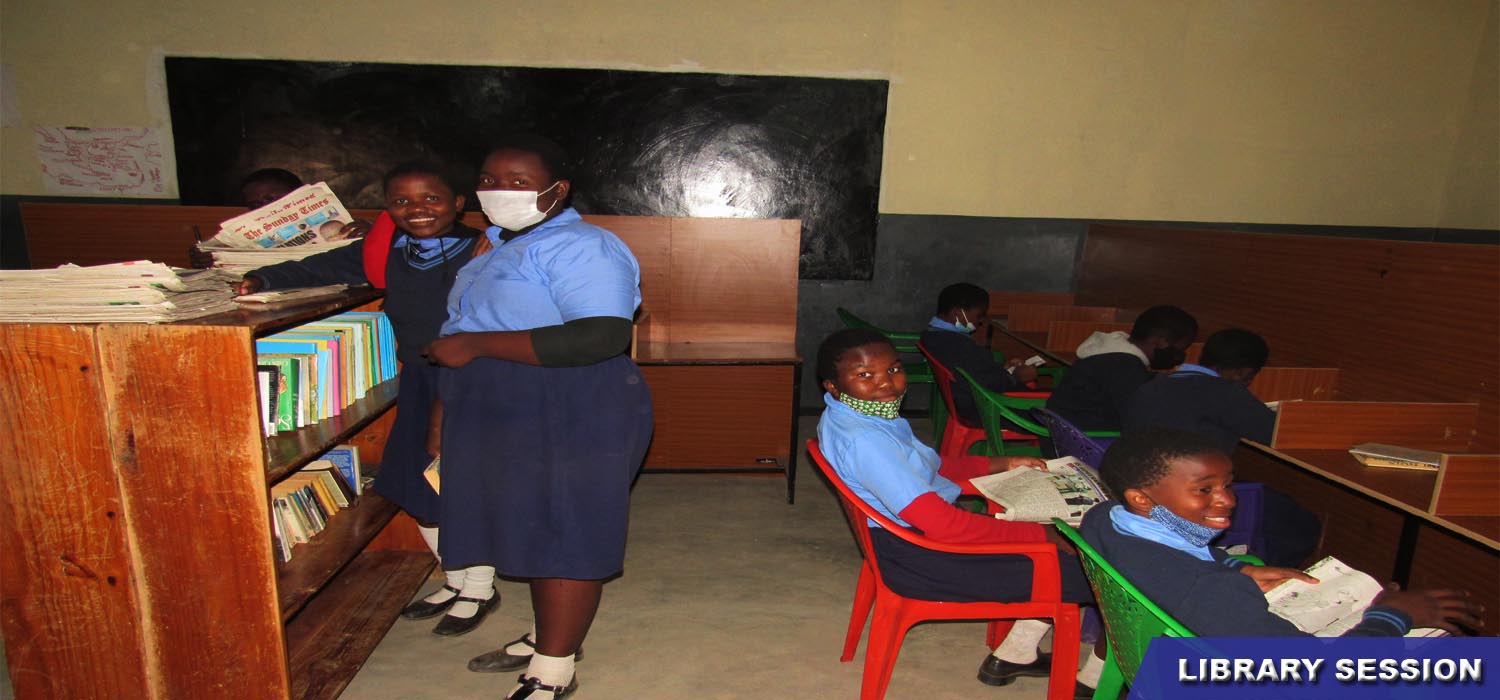
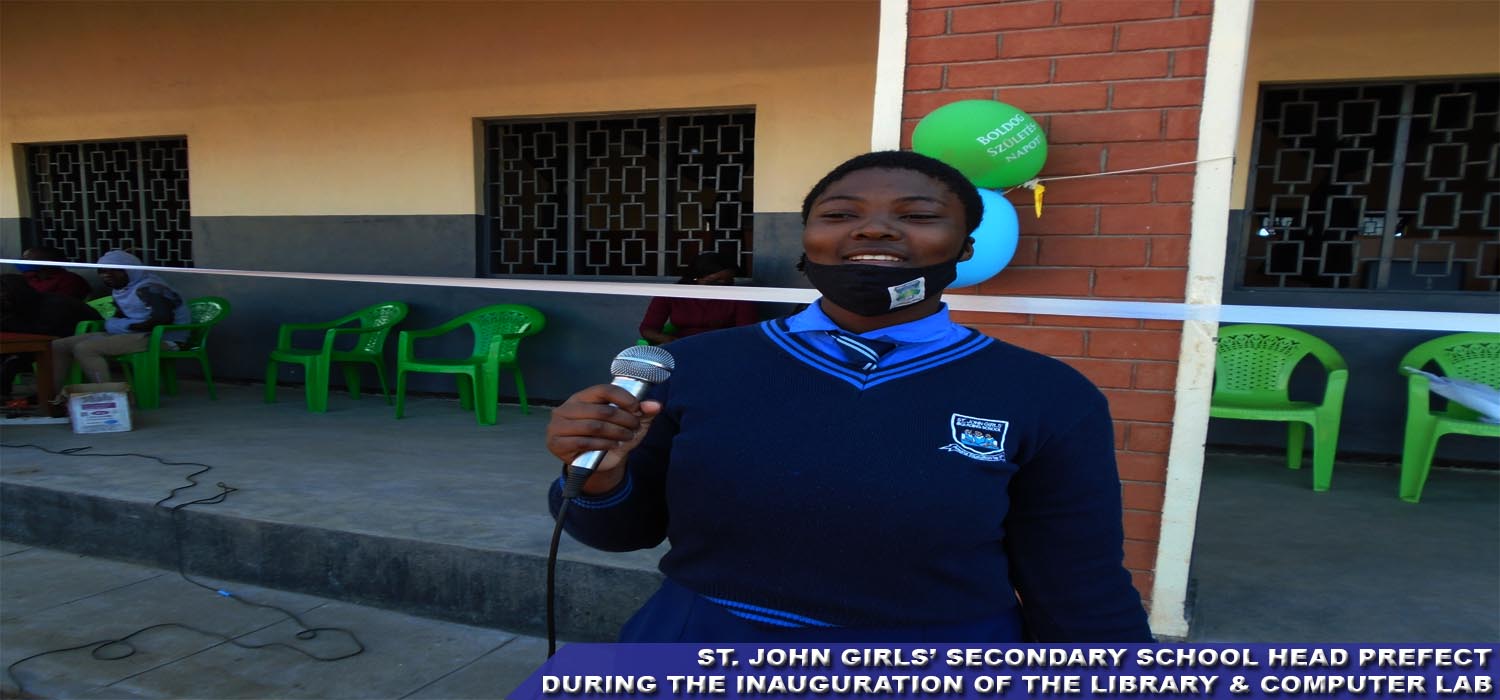
At the heart of every program is to enhance the national dream of girl-child education. The project started off in 2020 using the old structures that were available. It is catering for forms 1-4. There is need for classrooms, hostels, teachers’ houses, library, Scheme Laboratory, fence, desks, refectory Hall, students text books, study halls and many other things.